





Hydrafacial dangers: what are the risks and precautions for your skin?
 Summary
The Hydrafacial treatment is particularly appreciated for its effectiveness in enhancing complexion and deeply cleansing pores. Before booking a session, it is essential to understand the precautions to take, possible contraindications, and potential risks. Here you will find all the information about possible side effects, skin types at risk, and good habits to adopt after a Hydrafacial.
Hydrafacial risks and precautions
This treatment combines gentle exfoliation, impurity extraction, and the application of nourishing serums to restore radiance to the skin. Although generally well-tolerated, this facial treatment has some drawbacks to be aware of to avoid any unpleasant surprises. By identifying these risks, you can choose the protocol suitable for your skin type and minimize the risk of skin irritation.

What are the possible side effects?
The most common reactions after a Hydrafacial include redness, slight tingling, and a sensation of tightness, which usually disappear within 24 to 72 hours. Most people tolerate the treatment well when the settings are adapted to their skin type. These minor side effects quickly fade with proper hydration.
- Temporary redness and sensitivity: A slight pink coloration and a sensation of warmth may appear right after the session but subside within a few hours.
- Minimal swelling and bruising: People on anticoagulants like aspirin may sometimes notice small purplish marks, especially in more sensitive areas.
- Temporary breakout: Blackhead extraction can lead to slight skin eruptions in the following days for acne-prone skin.
Less frequent but to be monitored effects include occasional localized swelling, persistent sensitivity, or minimal follicular bleeding, especially if the pressure applied is too strong. Always mention your ongoing treatments to reduce these reactions. In rare cases, more serious complications such as infections, allergies to serums, or scarring can occur due to poor technique.
Be attentive to alarming signs such as intense pain, redness persisting beyond 3 days, blisters, or abnormal discharge, and consult a doctor promptly if necessary. These precautions will help you avoid any unwanted irritation or skin eruptions after a Hydrafacial.
Who should avoid the treatment?
Certain Hydrafacial contraindications require particular precautions or prior medical advice. Pregnant or breastfeeding women, in particular, should avoid this treatment if the serums contain acids or active ingredients not recommended during this period – in this case, dermatological advice is necessary. A consultation also allows the protocol to be adapted for fragile skin.
- Infections and active lesions: In case of herpes, inflammatory acne, or open wounds, it is best to postpone the session until complete healing.
- Known allergies: People sensitive to aspirin, salicylates, or certain marine extracts should request a patch test 24 hours beforehand.
- Recently treated skin: After a deep peel, laser, or injections, strictly adhere to the waiting period recommended by your specialist.
- Isotretinoin treatment: This medication, which makes the skin very sensitive, requires waiting 6 to 12 months before any mechanical treatment.
People suffering from severe rosacea, active eczema, or very reactive skin have an increased risk of irritation and should receive an ultra-gentle version of the treatment. Darker skin tones or black skin are more likely to develop hyperpigmentation if the treatment is too vigorous. A prior evaluation by a professional can prevent these risks.
When to consult after a Hydrafacial?
Carefully observe your skin in the hours and days following the treatment, especially if new symptoms such as persistent redness, pain, or swelling appear. In case of worrying or worsening signs, contact your practitioner quickly to rule out any risk of infection or allergic reaction.
Consult a dermatologist without delay if you notice the appearance of pigment spots, widespread skin eruptions, blisters, or suspicious discharge. People prone to cold sores should be vigilant, as skin manipulation can sometimes reactivate the virus within 48 hours. Taking before/after photos can be useful for a possible subsequent consultation.
Hydrafacial: results and skin
The visible effects of a Hydrafacial treatment depend on several factors: your skin type, the intensity of the treatment, and the regularity of sessions. Knowing the possible results allows you to have realistic expectations and adopt appropriate care to prolong the benefits at home. Be careful, however, this treatment shows its limitations on very thick skin or in cases of incipient rhinophyma.

What to expect after the session
Immediately after your Hydrafacial, your skin appears brighter and better hydrated. Any redness generally disappears within 24 to 48 hours, revealing a more even complexion with significantly cleaner dilated pores. The skin also appears plumper thanks to the nourishing serums that have penetrated deeply during the treatment.
- An immediate glow: Serums rich in hyaluronic acid and antioxidants provide intense hydration that visibly reduces fine lines.
- Goodbye blackheads: The mechanical action helps eliminate impurities and reduce the appearance of clogged pores from the first session.
- An even complexion: Gentle exfoliation of dead cells stimulates skin renewal for a luminous result.
- Makeup allowed: Unlike more aggressive treatments, you can generally apply makeup a few hours later without problems (unless there is a particular reaction).
Some people may experience slight skin tightness or discrete peeling 2-3 days after the treatment, especially if the exfoliation was intense. In this case, use a soothing cream and avoid overly active products to limit any risk of irritation. Acne-prone skin may experience a slight purge with a few temporary breakouts.
How long do the effects last?
The effects of Hydrafacial generally last between 1 to 4 weeks depending on your skin type and your daily beauty routine. To prolong these results, it is crucial to adopt a routine of appropriate home care – without it, the benefits fade quickly.
An effective protocol usually includes 4 to 6 sessions spaced 3 to 4 weeks apart for optimal results. Afterward, monthly maintenance sessions are sufficient to maintain complexion radiance and prevent the accumulation of impurities. Oily skin or skin prone to comedones (blackheads) often requires more frequent appointments to control sebum and prevent new acne breakouts.
Adapting the protocol to your skin
The secret to a good Hydrafacial treatment lies in its personalization. Your practitioner will adapt the intensity of the suction, the type of tip, and the composition of the serums according to your specific needs. A first "test" session allows evaluating your skin's tolerance before gradually increasing the intensity.
- Sensitive skin: Opt for ultra-gentle settings and temporarily avoid acid-based serums to limit reactions.
- Oily/acne-prone skin: The addition of salicylic acid helps clean pores but must be dosed precisely to avoid acne breakouts.
- Mature skin: Active ingredients like peptides temporarily restore firmness and density to tissues.
- Darker skin tones: Prioritize very gentle exfoliation and rigorous sun protection after treatment to prevent spots.
In preparation, stop using retinoids and powerful exfoliants 3 to 7 days before the session. Strengthen your skin barrier with active ingredients like niacinamide to optimize tolerance.
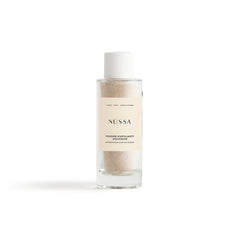
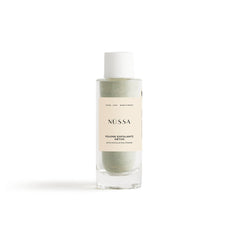
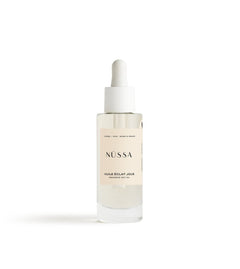
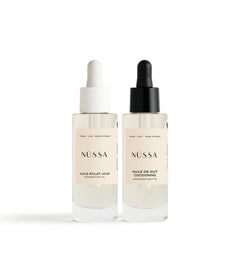
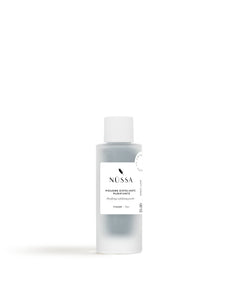
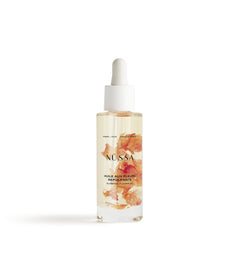
To maintain your skin between sessions, opt for a gentle routine: non-aggressive cleanser to eliminate impurities, hydrating mist, enzymatic exfoliant (gentler than mechanical scrubs), and nourishing oil. Discovering a natural daily skin care routine can be an excellent solution to preserve your skin's balance without aggression.
Hydrafacial: choosing a practitioner and precautions
For an effective and safe Hydrafacial treatment, choosing a good practitioner is essential. The hygiene of the center and the quality of the Hydrafacial machine used also play a key role. Always opt for a certified establishment with recent equipment and trained professionals to minimize the risks of infection or side effects after a Hydrafacial.
How to select a safe center
Before scheduling a Hydrafacial session, take the time to check certain important criteria:
- Practitioner's skills: ensure that the professional has a perfect command of the device and knows the precautions to take for sensitive skin.
- Clinic hygiene: the tips must be single-use, and the serums correctly labeled and dated to avoid any risk of irritation.
- Skin assessment: a preliminary consultation helps detect any contraindications such as rosacea or allergies.
Beware of prices that are too low, which could hide poor quality equipment. Take the time to compare several centers and read reviews before choosing.
Machine settings and safety
Hydrafacial (in Paris or elsewhere) must be customized according to each skin type:
- Suction must be adjusted according to your sensitivity (gentle for fragile skin, firmer for thick skin)
- The choice of tips varies depending on the treated areas (gentler around the eyes)
- The duration of acid exposure must be reduced for reactive skin to avoid redness and irritation
Always report your ongoing treatments and ask for the complete list of serum ingredients to prevent any unwanted side effects.
What are the gentler alternatives?
For those who wish to avoid a classic Hydrafacial, several options exist for a gentler facial treatment:
- Natural enzymatic peels that gently remove dead cells
- Hydrating serums without alcohol or fragrance
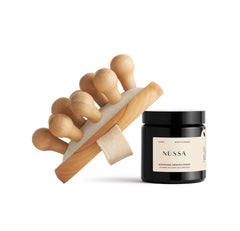
- Facial massages that stimulate circulation without aggressing the skin
Natural solutions to do at home can also give good results, especially for sensitive skin. Discovering natural solutions to firm the skin is a good option for those seeking less invasive methods.
| Method | Advantages | Precautions | Recommended frequency |
| Enzymatic exfoliation | Gentle and friction-free | Test first if allergic | 1-2/week |
| Hydrating serums | Deep hydration | Alcohol-free and fragrance-free | Daily |
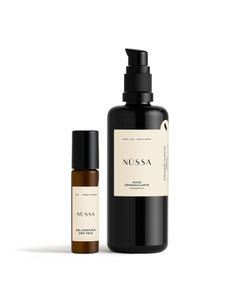
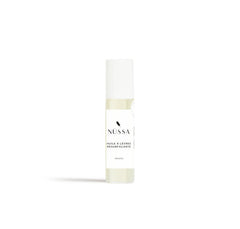
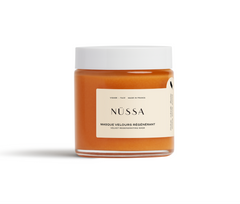
At Nüssa, we offer natural care suitable for sensitive skin. Discovering natural and gentle alternatives for the skin can be interesting for those looking for gentler solutions.
In conclusion, although the Hydrafacial treatment offers excellent results, it requires specific precautions. Do not hesitate to ask all your questions during the consultation and follow the advice after your Hydrafacial session for optimal results without side effects.

Written by Nüssa Cosmetics