




Kobido technique and facial oils: the perfect duo for a lifting effect

Do you dream of learning Kobido massage to enhance your skin from home? This ancestral Japanese ritual, renowned for its effectiveness against the signs of aging, combines precise techniques and specially formulated face oils. The goal? To stimulate blood circulation, drain lymph, and redefine the facial contours. With this practical Kobido facial massage tutorial guide, you'll master every movement, pressure, and stroke for a relaxing and ultra-revitalizing session, perfectly adapted to your skin's needs.
Kobido step-by-step at home
Kobido massage plays on contrasts: alternating gentle movements (smoothing and effleurage) and invigorating movements (light pinching or small percussions), this unique technique deeply relaxes tissues and effectively reactivates blood circulation. The key? Always massage in the natural lymphatic direction: from bottom to top, from neck to forehead, then from central areas towards the temples. Before each Kobido massage session, prepare your skin well with clean hands, gentle cleansing, and rinsing with lukewarm water to gently open the pores.
How to structure your Kobido self-massage
Start by warming a few drops of face oil between your hands for about fifteen seconds to release their benefits, then apply them with broad effleurage strokes starting from the décolleté up to the forehead. Your Kobido self-massage will consist of three phases: lymphatic warm-up around the eyebrows, toning with percussions and pinching, followed by final relaxation with upward strokes. Always finish with broad movements going up from the neck towards the temples to seal in all the benefits and boost skin elasticity.
For an express version (5-8 minutes): dedicate 1 minute to the neck, 2 minutes to the cheeks and jaw, 1 minute of tapping on the cheekbones, and finish with 1 minute of forehead smoothing. The full version (15-20 minutes) adds pinching along the nasolabial folds, targeted kneading on the cheekbones, and gentle pressure on the temples. Always adapt the intensity: if your skin reddens or the massage becomes less fluid, add a little oil rather than increasing pressure.
Key Kobido movements and directions
Strictly respect the anatomy of the face: always upward effleurage, from the décolleté to the forehead, invigorating pinching, and light percussions to stimulate collagen production. The eye contour area requires extreme gentleness, while the cheeks, jaw, and forehead can withstand firmer pressure to redefine the facial oval. Specially formulated face oils provide perfect glide, relax the skin, and allow for fluid movements without pulling on the epidermis.
Each area of the face requires a specific approach: on the forehead, alternate horizontal smoothing towards the temples and circular pressure to relax muscles and reduce wrinkles. The famous frown line is worked with micro-pinching between the eyebrows, while the cheeks benefit from upward kneading. To sculpt the facial oval, use short pinches moving up from the chin towards the ears.
Kobido durations and rhythms
For visible anti-aging results, schedule 2 to 3 Kobido massage sessions per week. Regular practice significantly improves skin elasticity and reduces the appearance of wrinkles. A morning Kobido self-massage of 5 to 8 minutes instantly brightens the complexion, while a longer evening session (15-20 minutes) boosts nocturnal regeneration. For an intensive course, increase to 3-5 sessions weekly for 1 to 2 months.
Respect these indicative times for each area: 1-2 minutes for the décolleté and neck, 2-3 minutes for the jaw and cheeks, 1-2 minutes for the eye contour and forehead. Between each phase, take a short break to allow the skin to absorb the benefits before resuming your beauty routine. If the glide decreases, always add more oil rather than pressing harder.
After your massage, let the face oils act for 5 to 10 minutes for optimal absorption of active ingredients. Dry or mature skin can keep this light nourishing film to prolong the beneficial effect. Discover Nüssa's complete range of natural skincare products to enhance your Kobido ritual will help you choose the most suitable products for your personalized beauty routine.
Kobido and oil textures
The texture of an oil directly influences the quality of the Kobido massage. It determines the fluidity of movements, the necessary grip for each technique, and the comfort experienced during the session. An oil that is too light evaporates quickly and requires interrupting the massage, while a texture that is too thick weighs down the face and neck, leaving an unpleasant greasy sensation. This is why we prefer non-comedogenic vegetable oils, rich in antioxidants, which smooth wrinkles while perfectly accompanying each movement.

Which oil texture for Kobido
To perform an effective Kobido facial massage, it is essential to choose between two types of oils: fast-absorbing ones, ideal for dynamic movements, and long-glide ones, perfect for deep work on the facial oval. The former, based on jojoba or camellia, allow for a series of tapping, vibrating, and pinching without leaving a greasy film. The latter, enriched with argan or rosehip, offer better grip for shaping the temples, reducing wrinkles, and sculpting the jaw with precision.
- Light, fast-absorbing oils: ideal for a short session or combination to oily skin. Their fluid texture allows for delicate manipulations, especially around the eye contour, while maintaining a soft touch.
- Rich, long-glide oils: recommended for longer massages aiming for deeper work. Their enveloping power intensely nourishes the skin and facilitates upward movements from the chin to the temples for better anti-aging efficacy.
- Hybrid oil serums: perfect compromise for sensitive skin, combining fluidity and nourishing active ingredients. They allow for invigorating pinching while preserving the skin barrier.
The amount of oil used plays a key role: too little and the movements become rough, too much and the grip necessary for the techniques is lost. For a short session, 2-4 drops are sufficient, while 4-8 are needed for a complete ritual. Always remember to warm the oil between your palms before application to stimulate microcirculation in the face and neck.
Oil quantity and application
Apply the oil to slightly damp skin, after spraying a hydrosol, to promote the penetration of active ingredients. Spread it from the décolleté up to the forehead following the lymphatic pathways, thus preparing each area before applying the massage techniques. Avoid overly thick cream-oils which lack fluidity and require too much rubbing, risking irritation to sensitive skin.
After the session, let the oil act for 5 to 10 minutes to prolong its benefits and enhance the natural beauty of your skin. Combination skin can absorb the excess with a soft tissue, while dry skin will keep this protective veil to strengthen their skincare routine. Discover our range of natural skincare products to perfectly complement your Kobido ritual with gentle cleansers, hydrating mists, and quality French oils.
Kobido and Nüssa oils
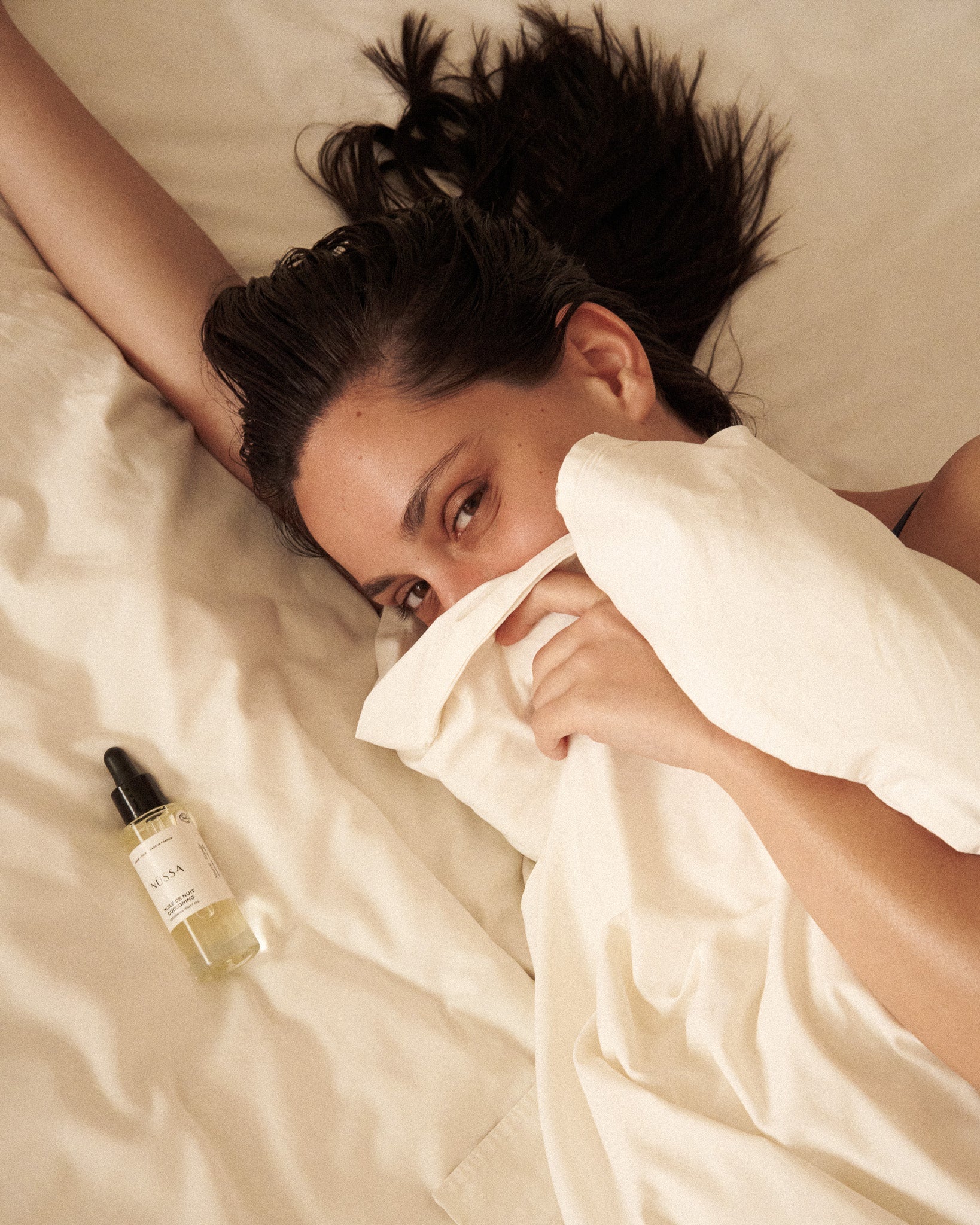
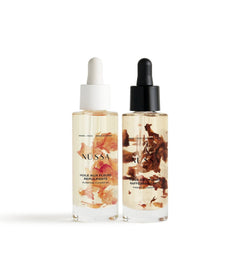
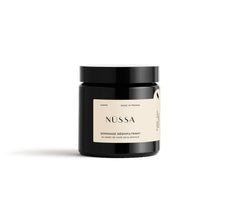
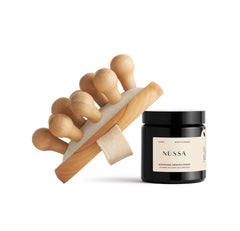
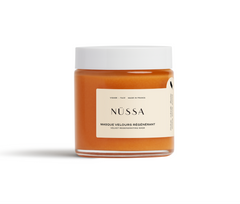
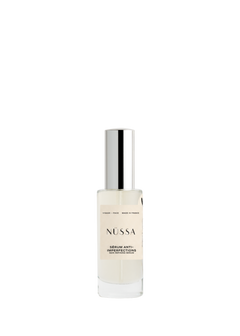
Nüssa oils perfectly combine a rigorous natural composition and powerful anti-aging action, ideal for optimizing every Kobido massage session. Enriched with bio-sourced active ingredients like camellia, lotus, or rosehip oil, they provide perfect glide and rapid penetration that immediately soothes the skin while nourishing the facial oval.
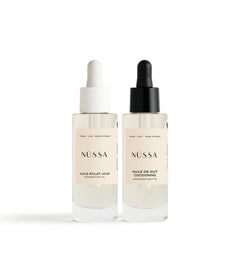
Two complementary textures: a light version for dynamic movements, a richer one for deep maneuvers. This duo effectively stimulates blood circulation, activates drainage while providing fatty acids, vitamin E, and antioxidants to improve firmness, skin elasticity, and overall beauty of the face and neck.

Why Nüssa oils enhance Kobido
Specially designed for Kobido facial massage, these oils offer ideal fluidity for performing sequences with ease while reinforcing the effectiveness of the techniques. 100% natural and made in France, they concentrate precious active ingredients like camellia or prickly pear to stimulate collagen production and reduce wrinkles and signs of fatigue.
Massage opens skin pores, allowing up to 40% more effective penetration of active ingredients. This synergy between technique and care provides deep relaxation, a radiant complexion, and transforms your routine into a moment of pure pleasure.
- 100% natural and bio-sourced: optimal tolerance, zero controversial ingredients, suitable for sensitive skin
- Ultra-rich concentration of active ingredients: fatty acids, vitamins, and antioxidants to protect, stimulate collagen, and smooth wrinkles
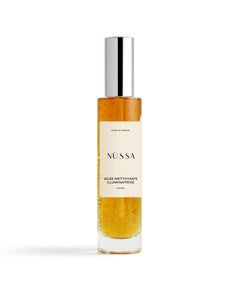
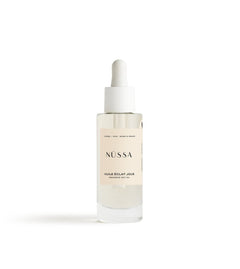
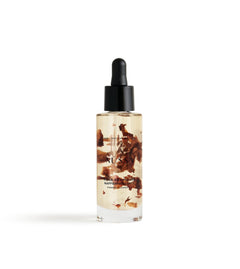
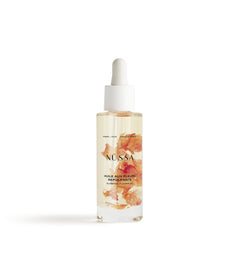
- Textures designed for Kobido: Huile Éclat for quick movements, Huile aux Fleurs for deep maneuvers
Which Nüssa oil according to the Kobido ritual
For an express session of 5 to 8 minutes, Huile Éclat is ideal: its light texture facilitates dynamic movements without leaving a greasy film. Perfect in the morning to awaken radiance and prepare the skin for makeup.
Frequency and Nüssa usage tips
For lasting benefits, perform 2-3 sessions weekly. In an intensive course (3-5 sessions/week for 4 to 8 weeks), you will effectively work on wrinkles and sagging.
In the evening, opt for a 15-20 minute ritual with a rich oil to promote nocturnal regeneration. Always remember to finish with drainage from the neck to the clavicles to complete the treatment.
You can enrich your routine by combining Kobido massage with other techniques like gua sha or by applying a post-massage mask. Complementing my Kobido routine with natural body care allows for a holistic beauty approach.
Kobido: targeted movements by area
Kobido massage adapts its techniques to each part of the face, for personalized anti-aging care. By combining pinching, effleurage, and deep pressure, it acts on wrinkles, relaxes muscles, and restarts circulation. Discover how to revitalize each area, from the forehead to the facial oval, by following this precise protocol that combines relaxation and effectiveness.
Essential Kobido zones and directions
Always start by preparing the skin with light circular effleurage. Massage the neck from bottom to top to open the lymphatic channels. Redefine the facial oval with firm movements from the chin towards the temples – a key technique for an immediate lifting effect. This preparation ensures better penetration of active ingredients and maximizes the benefits of your routine.
- Forehead and frown lines: Perform horizontal smoothing from the center towards the temples, emphasizing tension areas between the eyebrows. Finish with small circular pressures on acupressure points.
- Eye contour: Always use your ring finger for ultra-gentle movements. Start at the inner corner of the eye and follow the brow bone outwards.
- Cheeks and cheekbones: Move vigorously upwards from the sides of the nose towards the ears, alternating deep pressures and light tapping for a healthy glow effect.
- Chin and jaw: Upward pressures from the tip of the chin towards the earlobes help refine the facial oval.
Finish each session with long effleurage strokes that relax and consolidate the benefits of the treatment. For a successful Kobido self-massage, maintain a regular rhythm: fast on areas to stimulate (cheeks, chin), slower on fragile parts (eye contour).
Kobido pressure, rhythm, and safety
The magic of Kobido facial massage lies in the perfect dosage of pressure. Around the eyes, gently stroke the skin as if caressing a feather. On the forehead and cheeks, slightly increase the intensity to work deeply. The neck can withstand firmer manipulations, always directed upwards for a tightening effect.
This relaxing treatment is contraindicated in cases of rosacea, skin irritations, or severe acne breakouts. To maximize results, ideally practice it in the evening, when the skin is more receptive. Complement your routine with a few deep breaths - this relaxes the nervous system and enhances the anti-stress effect of the Kobido massage.
Frequently Asked Questions
How to do a Kobido massage yourself?
To perform a Kobido self-massage, start by thoroughly cleansing your face. Then, take 3 to 6 drops of vegetable oil between your hands and rub them for 15 seconds to warm them. Apply the oil evenly starting from the décolleté up to the forehead, performing broad circular effleurage strokes.
Continue with specific movements: kneading the cheeks, pinching along the jawline, light tapping on the cheekbones, and upward smoothing on the forehead. The technique always involves working from bottom to top and from the center outwards. These movements deeply relax tissues and stimulate lymphatic drainage. Finish with large upward movements from the neck to the temples. Let the oil sit for 5 to 10 minutes before removing any excess. A quick session lasts 5 to 8 minutes, while a complete ritual can take 15 to 20 minutes. Practiced 2-3 times a week, this massage visibly improves skin elasticity and complexion radiance.
What are the basic Kobido movements?
Kobido massage relies on five fundamental movements:
- Slow effleurage to relax and prepare the skin
- Deep kneading to tone facial muscles
- Quick pinching to redefine the facial oval
- Dynamic percussions stimulating microcirculation
- Pressure on specific acupressure points to release tension
Each movement has a precise action. Combined in a rhythmic sequence and accompanied by a suitable oil, these movements improve skin elasticity, offer a natural lifting effect, and a radiant complexion. The alternation between gentle movements and more forceful techniques allows for complete relaxation of facial muscles while stimulating the skin deeply.
What oil to use for a Kobido massage?
For your Kobido session, choose a non-comedogenic vegetable oil, rich in nutrients (essential fatty acids, vitamin E, antioxidants). The best options are:
- Camellia oil - light and fast-absorbing
- Jojoba oil - very similar to natural sebum
- Argan oil - nourishing and anti-aging
- Rosehip oil - regenerating
- Prickly pear oil - highly antioxidant
For your self-massages, Nüssa oils are particularly suitable:
- Éclat oil for effleurage
- Fleurs Repulpante oil for deep tissue techniques
Choose the texture according to your skin type and the duration of the session: a light oil for short and dynamic massages, a richer formula for complete rituals with deep kneading.

Written by Nüssa Cosmetics