





Essential Fatty Acids: Benefits for Your Skin

The quest for healthy, radiant skin doesn't stop at the surface of the epidermis. To achieve true anti-aging results and deep hydration, you need to look at the molecule at the heart of our organism: fatty acids. Often feared in our diet, lipids are nonetheless our best allies for our beauty. This article reveals how these precious nutrients help maintain skin health at a cellular level.
Understanding the Biology of Essential Fatty Acids (EFAs) for Skin
Omega-3 and Omega-6: Why are they "essential"?
The human body is a complex machine, but it is incapable of synthesizing certain fats essential for its survival. This is what we call an essential fatty acid. There are mainly two families: omega-3 and omega-6 fatty acids. Linoleic acid (Omega-6) and alpha-linolenic acid (Omega-3) must imperatively be supplied through food or cosmetic care.
These polyunsaturated fatty acids do not only serve as energy storage; they actively participate in the structure of every cell. Within the cell membrane, they ensure the flexibility and fluidity necessary for nutrient exchange. On the other hand, a deficiency can quickly become the cause of fragile and dull skin.
The intercellular cement: The role of lipids in the skin barrier
To understand the action of EFAs, one must visualize the hydrolipidic film. The latter acts as a shield against any external aggression (pollution, cold, UV). Fatty acids play a role as "cement" between corneocytes. Without a good balance between saturated fatty acids and polyunsaturated omega fatty acids, the skin barrier cracks.
Focus on linoleic acid and alpha-linolenic acid
Linoleic acid is the precursor of ceramides, molecules that retain water in tissues. If your skin type lacks this ingredient, you risk seeing early dehydration lines appear. The intake of alpha-linolenic acid completes this protection by strengthening cutaneous resistance. It is also one of the benefits of pomegranate to offer powerful antioxidants to protect these precious lipids.

Targeted Benefits: A Fatty Acid for Every Problem
Inflammation and Sensitivity: The Soothing Action of Omega-3s
Essential omega-3 fatty acids are renowned for their anti-inflammatory property. For atopic skin or skin suffering from atopic dermatitis, a course of omega-3 and omega-6 helps reduce redness and offers an immediate soothing effect. By acting from the inside, they calm the reactivity of the cutaneous immune system. They are found massively in fish oil (rich in EPA and DHA) or flaxseed oil.
Acne and sebum regulation: The paradox of linoleic acid
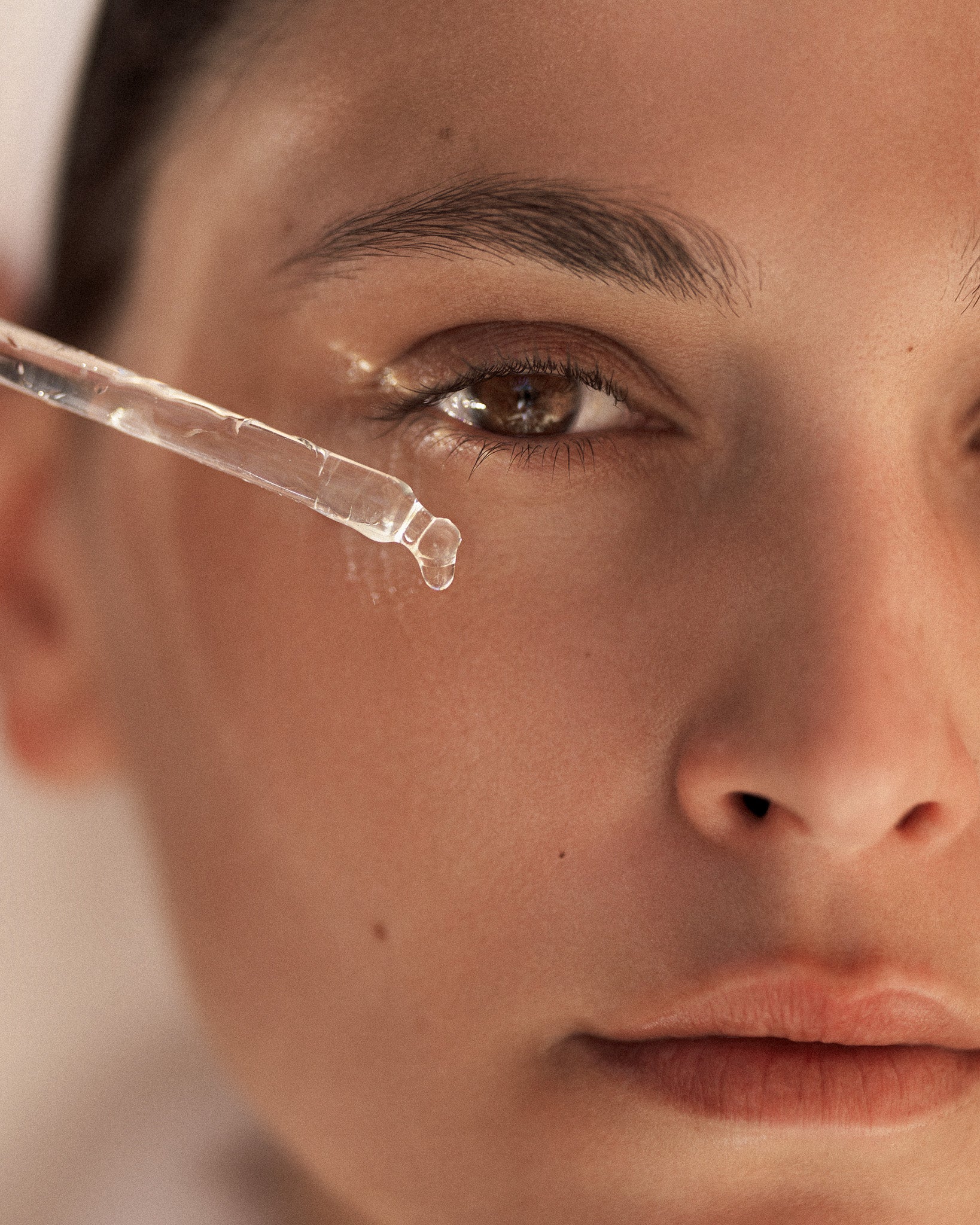
Contrary to popular belief, oily skin has a vital need for fat. The problem often comes from sebum that is too rich in oleic acid and poor in linoleic acid, which makes it thick and comedogenic. Applying a face oil rich in essential fatty acids helps to regulate sebum production and purify the complexion. This natural approach helps restore refined skin texture without using harsh products.
Anti-aging and elasticity: Fighting oxidative stress with lipids
Skin aging is accelerated by the loss of elasticity. Fatty acids help stimulate cell regeneration and maintain dermis density. To combat established wrinkles, it is beneficial to combine these lipids with plumping actives. For example, the use of EFAs reinforces the benefits of hyaluronic acid by sealing the hydration provided by the latter.
In & Out Strategy: Optimizing Your Daily Intake
The "Beautiful Skin" Plate: Food Sources and Omega 3/6 Ratios
The health of your body is directly reflected in your complexion. To maintain skin, omega must be present in your daily diet. Fatty fish like cold-water salmon are rich in omega-3s (EPA and DHA). If you prefer a plant-based source, turn to flaxseeds, chia seeds, or walnuts.
It is crucial to monitor the intake of omega 3 and omega 6 to avoid an imbalance. Excessive consumption of sunflower oil or animal fat (rich in arachidonic acid) can have an opposite effect and promote inflammation. Incorporating quality fatty acids, such as walnut oil or rapeseed oil, helps restore this vital balance.
Topical cosmetics: How to choose your vegetable oils?
For cutaneous application, each vegetable oil has its own biological formula. The choice must be made according to your specific need:
-
Dry skin: Favor olive oil or wheat germ for their richness in oleic acid.
-
Sensitive skin: Soybean oil or hemp oil have remarkable anti-inflammatory properties.
-
Radiance: Hazelnut oil or grapeseed oil penetrates quickly without leaving a greasy film.
For complete care, the use of our face oils directly delivers the active ingredients to the heart of the epidermis.
Oil preservation: Preserving polyunsaturated fatty acids
Long-chain polyunsaturated fats are fragile over time. Under the action of light and heat, the carbon atoms oxidize, making the product rancid and ineffective. My advice: store your bottles away from light and choose cold-pressed oils. A quality oil still contains all its natural vitamin E, a protective molecule against aging.

Neuro-cosmetics: The little-known link between fatty acids and nocturnal regeneration
Circadian rhythm: Why skin "consumes" its EFAs at night
During the night, cell regeneration accelerates. This is when the skin barrier is most permeable and lipid needs are highest. Essential fatty acids serve as building blocks for reconstruction to repair damage sustained during the day (pollution, UV). Without sufficient nocturnal intake, cell renewal slows down, which marks the features.
Skin-Brain Axis: The Impact of Lipids on Cutaneous Stress Management
Neuro-cosmetics reveal that fatty acids play a role as messengers for the nervous system. Certain unsaturated fats, such as gamma-linolenic acid, help modulate the body's stress response. By soothing the nerve endings of the skin, these lipids limit micro-inflammations which are a major cause of premature aging.
Night care protocol to maximize lipid absorption
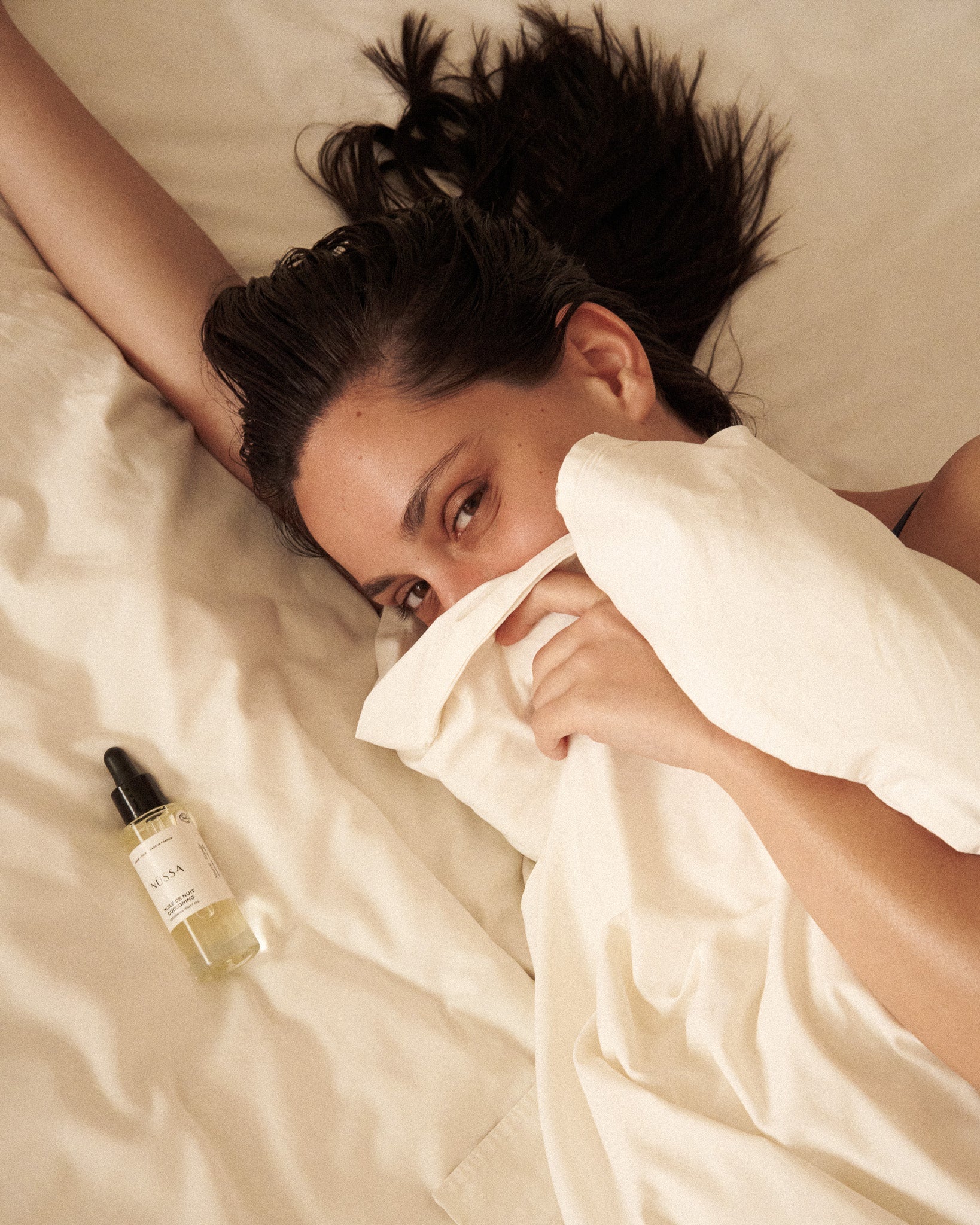
To support your skin in its repair phase, applying a rich cream or an oily serum before bedtime is an effective active strategy. This daily gesture helps nourish the membrane of new cells. For more mature skin, it's also the ideal time to learn how to plump up mature skin by combining facial massage with ultra-targeted lipid nutrition.
Practical Guide: Incorporating Fatty Acids According to Your Skin Type
1. Oily to acne-prone skin: Don't run from oils anymore
Contrary to popular belief, oily skin often suffers from a lack of specific essential fats. A deficiency in linoleic acid makes sebum viscous, which clogs pores. By choosing a light vegetable oil such as hazelnut or grape seed, you will regulate sebum production while providing necessary protection without a comedogenic effect.
2. Dry and atopic skin: The intense repair protocol
For skin that feels tight, the need lies in restoring the hydrolipidic film. The use of care products rich in saturated and unsaturated fatty acids helps to seal in hydration. Omega supplementation through diet (via fatty fish or flaxseed oil) complemented by a rich cream will help treat atopic dermatitis and restore suppleness to the most fragile tissues.
3. Mature skin: Restoring plumpness and density
With age, the natural production of lipids decreases. To combat aging, it is beneficial to incorporate oils containing alpha-linolenic acid. These active ingredients stimulate cell regeneration and fight against the loss of elasticity. This is a real advantage for maintaining a fresh complexion and firm skin structure despite the passage of time.

Nüssa excellence for your lipid balance
Taking care of your skin with fatty acids is a daily commitment to your overall health. Whether it's nourishing the body from the inside with carefully chosen food or applying natural care products externally, balance is the key to healthy and radiant skin.
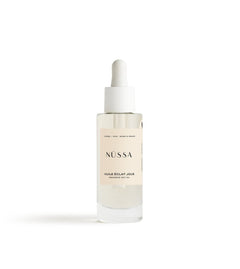
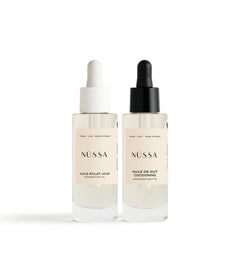
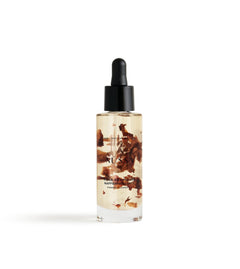
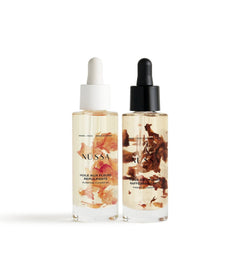
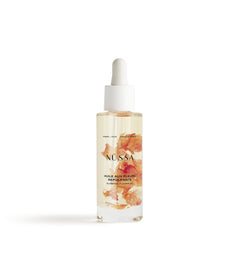
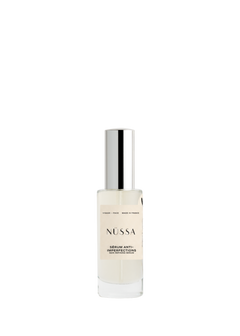
For those looking for an ultra-effective skincare offer, Nüssa's Huile Éclat Jour is the ideal ally. Its exclusive formula, rich in precious botanical actives, penetrates deep into the epidermis for immediate protective and illuminating action. Its composition contains exactly what your face needs to radiate vitality.
Discover the Huile Éclat Jour and give your skin the best of nature: Discover Nüssa's Huile Éclat Jour