





Oxidative stress and skin: understanding and neutralizing the invisible enemy

The premature aging of our skin is not just a matter of passing time, but largely results from a complex biological phenomenon: oxidative stress. This invisible cellular aggression is now identified by science as the main cause of the deterioration of our face's health and beauty.
To maintain healthy skin, it is essential to understand how to combat oxidative stress and identify the factors that disrupt our body's balance. Between external aggressions and internal mechanisms, let's discover how to effectively protect the skin.
The biology of oxidation: The duel between free radicals and antioxidants
What is oxidative stress? The theory of cellular imbalance
Oxidative stress is a deep imbalance between two opposing forces within our cells. On one side, we have the production of free radicals, highly unstable oxygen molecules naturally generated by cellular respiration and energy production.
On the other, our antioxidant capacity is responsible for neutralizing them. When the quantity of radicals becomes too high, the body can no longer maintain balance.
This imbalance between production and neutralization creates chain cellular damage, affecting lipids, proteins, and even DNA. Historically, researcher Denham Harman theorized this link between the accumulation of radicals and cellular aging.
The role of free radicals: these unstable molecules that degrade DNA
A free radical is a molecule missing an electron, making it extremely unstable and reactive. To stabilize itself, it will try to "steal" an electron from neighboring structures, thus leading to a devastating chain reaction. On the skin, oxidative stress primarily attacks the constituents of the dermis. These repeated attacks cause alteration of the cells' structure, which accelerates the aging process.
This phenomenon is not limited to the surface; it penetrates deeply, affecting the skin barrier and the hydrolipidic film, making the skin more reactive and vulnerable to diseases like skin cancer.

The skin's natural defense system: antioxidant enzymes
Fortunately, the human body has its own defense mechanism. Several enzymes, such as superoxide dismutase (SOD) and glutathione peroxidase, work tirelessly to neutralize free radicals before they cause irreversible damage. Glutathione is also considered the master antioxidant of our body.
However, with age or too intense exposure to aggressions, this self-defense capacity decreases. It then becomes crucial to provide an external supply through specific treatments to firm facial skin and support these exhausted natural defenses.
The visible impact: How oxidation transforms your face. The degradation of collagen and elastin: wrinkles and loss of firmness
One of the most dreaded effects of oxidative stress is the degradation of collagen and elastin fibers. These two proteins are the pillars of the dermis's structure; they ensure the firmness and elasticity of the skin. When free radicals attack these fibers, they stiffen and break, leading to a loss of elasticity and the premature appearance of wrinkles.
This aging due to stress manifests as tissue slackening and an increase in expression lines that settle more deeply. Without adequate protection, the skin loses its recovery capacity and the signs of aging become visible well before their time.
Pigment disorder: when oxidation creates brown spots
Oxidative stress plays a major role in the dysregulation of melanocytes, the cells responsible for melanin production. Under the effect of prolonged exposure to UV rays or pollution, free radicals trigger an anarchic overproduction of pigments.
This reaction is the cause of the appearance of pigment spots and an uneven skin texture. Dull complexion then becomes the norm, as light no longer reflects homogeneously on an altered skin texture. This is one of the main markers of premature skin aging linked to the environment.

Inflammation and acne: the unknown link between oxidative stress and imperfections
Oxidative stress is not only a factor in wrinkles; it is also a powerful vector of skin inflammation. A too high rate of free radicals can oxidize sebum, making it more irritating and thus promoting an inflammatory reaction in the pores.
This lipid peroxidation process worsens acne and makes the skin more reactive. The chronic inflammation that results weakens the skin barrier, creating a vicious cycle where the skin becomes both oilier and more sensitive. Understanding this science of oxidation allows for better prevention of these disorders and to reduce oxidative stress to regain healthy skin.
Neutralization strategies: The In & Out routine for protected skin
Topical protection: Vitamin C, Vitamin E, and Polyphenols
To combat oxidative stress, direct application of a care product rich in protective active ingredients is the first line of defense. The benefits of antioxidants are well established: vitamin C and vitamin E act synergistically to neutralize free radicals before they reach the cells' DNA.
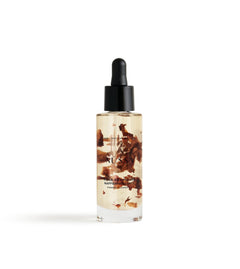
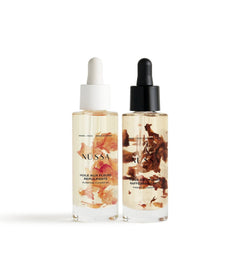
The use of a natural facial oil for a radiant complexion helps strengthen the skin barrier while providing protective polyphenols. These naturally derived ingredients help prevent cellular damage and maintain an optimal energy level within the epidermis.

The importance of "anti-pollution" cleansing to stop surface oxidation
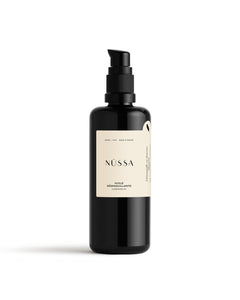
The urban lifestyle exposes our skin to a quantity of free radicals generated by pollution. Fine particles settle on the stratum corneum and cause oxidation of the lipids in the hydrolipidic film. A rigorous cleansing routine is therefore a key factor: it allows these toxic residues to be eliminated every evening.
By clearing the pores, you reduce inflammation and allow nocturnal recovery mechanisms to function at full capacity. This is a simple but highly effective tip to fight against stress and oxidative stress accumulated during the day.
Antioxidant nutrition: Superfoods that boost internal resilience
The fight against oxidation also involves diet. A diet rich in colorful fruits and vegetables provides the molecules necessary for the body to strengthen its defense systems. Berries, green tea, or even a glass of red wine (in moderation) are precious sources of resveratrol and flavonoids.
To compensate for an unbalanced diet, a specific food supplement can also help reduce internal stress. By combining a nutrient-rich diet and active ingredients such as hyaluronic acid, you act at all levels to protect the skin from skin aging.
The Exposome and "Skin Resilience": Beyond simple care
The cocktail effect: Pollution and Blue Light multiply oxidation
While sun exposure is a well-known culprit, science is now interested in the cumulative effect of aggressions, called the exposome. Atmospheric pollution coupled with the blue light from our screens creates an excess of free radicals that is much more aggressive than each factor taken in isolation. This mixture leads to premature alteration of the skin's structure. To help reduce this impact, the use of daily sunscreen is an essential protection, as it acts as a shield against this radiation that penetrates deeper than UV rays.

Psychological stress as a generator of cutaneous free radicals
Stress is not just a mental sensation; it is a biological process that generates reactive oxygen molecules within your epidermis. Chronic stress releases cortisol, which causes an imbalance and depletes your glutathione stores. By integrating better stress management into your healthy lifestyle, you preserve your youthful capital. Serene skin has a better capacity for cellular renewal and better resists external aggression.
Cutaneous hormesis: How to strengthen the skin's defenses
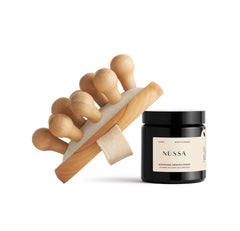
Hormesis is a fascinating mechanism where a small quantity of free radicals, caused by mild and controlled stress, strengthens the cell's defense systems. For example, intense facial massage or cold exposure stimulate the production of protective proteins. These practices, when combined with the benefits of sesame oil, known for its regenerating properties, teach the skin to become more reactive and resilient to skin aging.
Chronobiology: Why antioxidant protection is a morning priority
The skin experiences oxidative stress differently depending on the time of day. In the morning, the skin is in "defense" mode against the sun and pollution. This is the ideal time to apply powerful antioxidant ingredients. At night, it switches to "recovery" mode. Providing essential fatty acids in the evening helps repair suffered damage and restore the skin barrier to face the next day with healthy skin.