



How to apply a face serum: a complete guide and exclusive tips

Understanding face serum
What is a face serum?
A serum is a concentrated cosmetic facial treatment packed with powerful active ingredients. Its light, fluid texture allows it to penetrate deeply into the skin, unlike a moisturizer which acts more on the surface. Applying a serum correctly provides your skin with a targeted beauty treatment, capable of addressing specific concerns such as wrinkles, dehydration, or skin imperfections.
Why use a serum?
Applying a serum is an essential step in a skincare routine, as it acts as a booster that complements and optimizes the benefits of other products. Thanks to its concentration of active ingredients, it offers targeted action to improve skin texture, reduce blemishes, and restore radiance to a dull complexion. A serum can visibly hydrate, protect the skin against pollution, and enhance the effectiveness of the moisturizer or day cream applied afterward.
The different types of serums
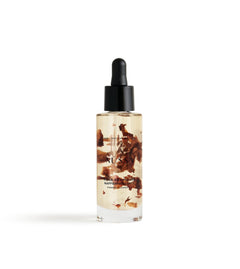
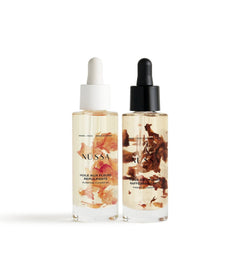
There are several categories of facial serums: hydrating, anti-aging, anti-blemish, soothing, and brightening. Each skin type has its specific needs: a hydrating serum with hyaluronic acid for dry skin, a brightening serum with vitamin C to revive the complexion, or an anti-aging serum rich in peptides for visibly younger-looking skin. To discover an expert selection, explore our range of natural facial serums .
Prepare your skin before application
The cleaning
Before applying a serum, it's essential to begin with a proper cleansing routine. Clean skin, free of impurities, sebum, and pollution, allows for better product penetration. Double cleansing (gentle cleanser followed by micellar water or purifying gel) is an effective method to optimize the serum's efficacy and protect the skin's surface.
Skin preparation
After cleansing, it's advisable to lightly dampen your skin with a mist, essence, or toner. This step makes the skin more permeable, promoting the targeted action of the serum's active ingredients. Slightly damp skin allows for better serum application and optimizes its hydrating effects. It's a quick but essential beauty tip for any skincare routine.
Mistakes to avoid before the serum
Certain mistakes can reduce the effectiveness of a serum: applying it to dry or irritated skin, using too much product, or mixing it with a harsh exfoliant at the wrong time. For best results, it's best to apply a small amount of serum to prepared skin, then wait a few moments before following with a moisturizer.

How to apply a face serum?
The correct application techniques
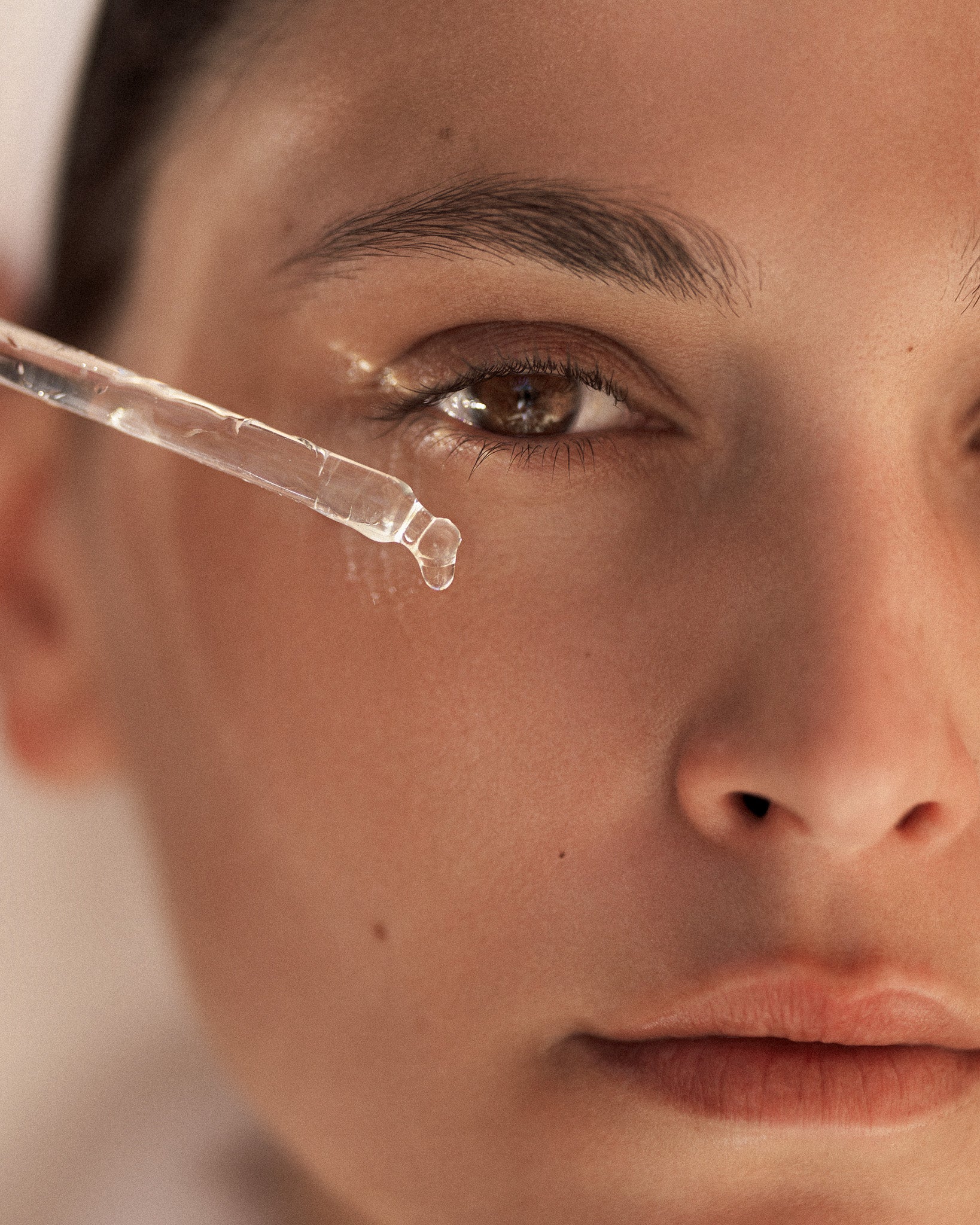
A serum is applied in small amounts, often the equivalent of 2 to 3 drops or a pea-sized amount placed in the palm of your hand. It is gently warmed between the fingers before being applied to the face. The ideal technique is to gently pat with the fingertips, then apply light pressure to encourage deep penetration. Circular and massaging movements can complement this application.
Order of application in the routine
A serum should always be used before moisturizer. This allows the active ingredients to penetrate the skin directly, and then the moisturizer to form a protective layer. In a more elaborate beauty routine, it's possible to layer two different serums, provided you choose compatible formulas (for example, a hydrating serum followed by a dark spot corrector serum). In all cases, the order remains: cleanse → apply the serum → finish with the oil.
Strategic areas of the face
When applying serum, don't forget sensitive areas such as around the nose, cheeks, forehead, and especially the neck and décolleté. These parts of the face often show the first signs of aging and deserve special attention. Applying serum to these areas ensures comprehensive action, for visibly brighter and better-hydrated skin.
Adapt your serum to your skin type
Dry and dehydrated skin
Dry skin needs a hydrating serum that works deep down. Formulas rich in hyaluronic acid are ideal for retaining water in skin cells and restoring elasticity. A hydrating serum applied morning and evening helps to achieve a radiant complexion and more supple skin texture. For best results, it is recommended to combine the serum with a suitable moisturizer .
Oily and blemish-prone skin
For skin prone to blemishes and enlarged pores, it's best to use a lightweight serum enriched with niacinamide or salicylic acid. These active ingredients regulate sebum, reduce shine, and visibly improve complexion. A well-chosen serum allows you to treat skin problems in a targeted way, without irritating the skin.
Sensitive and reactive skin
Sensitive skin requires a gentle and soothing product. Serums made with natural ingredients like aloe vera provide comfort and reduce redness. The trick is to apply the serum with very light strokes, gently patting it in with your little fingertip to avoid any irritation.

Frequency and timing of use
When should you apply your serum?
The timing of application directly influences the product's effectiveness. In the morning, an antioxidant serum with vitamin C protects the skin against external aggressors such as pollution. In the evening, a serum with ginger root or enriched with draining active ingredients helps the skin regenerate overnight. For targeted use, you can alternate a hyaluronic acid serum in the morning and a nourishing serum in the evening.
How often ?
A serum can be applied daily, morning and evening, to keep skin visibly hydrated and radiant. Some more potent formulas, such as anti-dark spot serums, can be used as a targeted treatment to address a specific concern without overloading the skin.
Waiting time before the cream
After application, it is recommended to allow the serum to absorb for a few minutes before applying your moisturizer. This simple step maximizes skin penetration and ensures that each layer of product fulfills its function. A well-structured skincare routine optimizes each active ingredient for visible results.
Maximize the effectiveness of your serum
Combine your serum with manual techniques
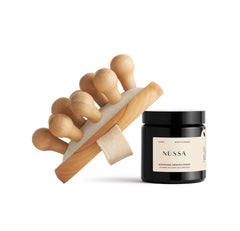
To enhance the serum's effects, its application can be combined with a lymphatic drainage massage. Circular movements, performed with the fingers or a gua sha tool, promote blood circulation and improve the deep penetration of the active ingredients. This transforms serum application into a true beauty ritual.
Optimize absorption with skin chronobiology
Skin has different needs depending on the time of day. Applying a hydrating serum in the morning protects against dehydration and pollution, while an anti-aging or acid-rich serum works best at night, when cell regeneration is most active. This method optimizes results and is part of a smart beauty routine.
Serum and lifestyle
Finally, the effectiveness of a serum also depends on lifestyle. Proper hydration, restful sleep, and a vitamin-rich diet enhance the serum's visible effects. For example, a ginger root serum can be even more effective when used in conjunction with a diet rich in antioxidants.

Frequently asked questions about serum application
Should you apply a cream after the serum?
Yes, always. The serum works deep down but doesn't replace moisturizer, which protects the skin's surface and prevents water loss. Applying a day cream after the serum is therefore essential to complete your skincare routine.
Can a serum be used on its own?
A serum can be used on its own occasionally, but its effectiveness is enhanced when combined with a suitable cream. Using a serum alone on dry skin may not be enough to maintain adequate hydration.
How long before I see the results?
Depending on the type of serum and the condition of the skin, the first effects are visible in a few days for hydration and radiance, while anti-aging or anti-blemish serums require several weeks of regular application to fully work.
Can we use two different serums at the same time?
Yes, provided you choose complementary formulas. For example, a hydrating hyaluronic acid serum can be combined with a dark spot corrector serum to address multiple needs at once. The key is to apply them in a thin layer and in the correct order.
At what age should I start using a serum?
There's no set age: you can start as soon as your skin shows a specific need. A hydrating serum is useful from your twenties to prevent dullness, while a spot treatment or anti-aging serum becomes beneficial from age 30-35, depending on your skin type.

Written by Nüssa Cosmetics