





Face serum or oil: what's the difference and how to choose the ideal product?

With the multitude of available skincare products, one question often arises in any beauty routine: should you use a serum or a face oil? These two products have become essential in skincare, but their actions, textures, and benefits are fundamentally different. Depending on your skin type, age, and skin concerns (dryness, imperfections, dull complexion, redness, wrinkles, or lack of radiance), the choice between oil and serum can transform the condition of your skin... or, on the contrary, hinder results.
Face serum is distinguished by its light texture, its high concentration of active ingredients such as hyaluronic acid, vitamin, or salicylic acid, and its ability to act deeply. Face oil, often vegetable, pure, and natural, nourishes, protects, and strengthens the skin barrier, while providing comfort, suppleness, and radiance.
Understanding the difference between a serum and an oil is the first step towards an effective skincare routine, adapted to the actual state of the skin—not just trends.
Serum or face oil: what are the fundamental differences?
What is a face serum?
Face serum is a highly concentrated treatment, formulated to address a specific problem: dehydration, imperfections, pigmentation spots, redness, wrinkles, fine lines, or loss of radiance. Its predominantly aqueous base allows for rapid penetration into the heart of the epidermis, where skin hydration, cell renewal, and collagen stimulation take place.
Thanks to its fluid and light texture, serum is used on clean and dry skin, morning or evening, before a moisturizer or oil. It is a results booster, ideal for combination to oily skin, sensitive skin, or any skin needing targeted care.
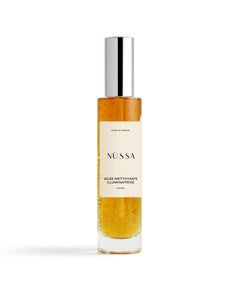
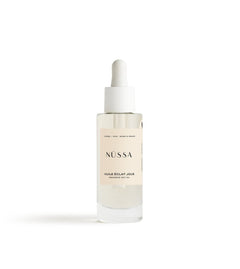
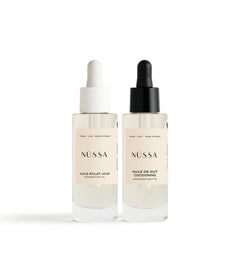
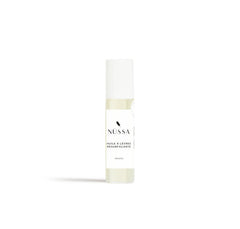
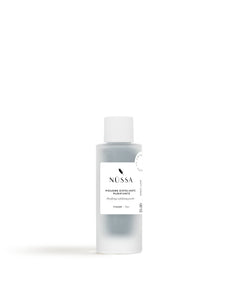
Nüssa face serums are designed to offer hydrating, anti-blemish, or plumping action, depending on the specific needs of the skin.
What is a face oil?
A face oil is a lipid-based treatment, rich in fatty acids, vitamins, and antioxidants, which primarily acts on the skin surface. Unlike serum, it does not aim to hydrate in the strict sense, but to nourish, protect the skin, and seal in hydration by strengthening the hydrolipidic film.
Quality face oils, such as natural vegetable oils, penetrate without leaving a greasy film when chosen correctly according to skin type (dry skin, sensitive skin, mature skin, or even oily skin). They soothe redness, reduce the sensation of dryness, protect against external aggressions, and provide an immediate healthy glow effect.
To go further, this guide explains which face oil to choose according to your skin condition and beauty goals.
Serum vs. oil: quick understanding table
| Criterion | Face Serum | Face Oil |
|---|---|---|
| Texture | Light, fluid, aqueous | Richer, oily or dry |
| Penetration | Very fast, acts deeply | Slower, acts mainly on the surface |
| Main role | Treat a targeted problem | Nourish, protect, and seal in hydration |
| Concentration of active ingredients | Very high (hyaluronic acid, vitamin C, retinol, salicylic acid…) | Moderate but rich in fatty acids and antioxidants |
| Action on the skin | Hydrates, smooths, corrects wrinkles, spots, imperfections | Strengthens the skin barrier, provides comfort and radiance |
| Ideal skin type | All skin types, including oily and sensitive | Dry, sensitive, mature (also possible for oily skin with a suitable oil) |
| Application time | Morning and/or evening | Preferably evening, or morning in small quantities |
| Order of application | Always before oil or cream | After serum to seal in hydration |
| Beauty goal | Fast and targeted results | Long-lasting and protective results |
| Examples of benefits | Brighter complexion, plumped skin, refined pores | More supple, nourished, protected skin |
| Can replace a cream? | No | Yes, in some cases (dry skin or at night) |
| Complementarity | Prepares the skin | Finalizes and optimizes the routine |
-
Serum acts as a targeted, concentrated, fast-acting treatment, ideal for correcting a specific problem.
-
Face oil acts as a protective and nourishing treatment, essential for maintaining comfortable, supple, and radiant skin.
-
The two are not mutually exclusive: oil and serum are often complementary in a balanced skincare routine.

Serum or face oil: which to choose according to your skin type?
The right choice always depends on the actual state of the skin, not a fixed category. Skin can be dehydrated but oily, sensitive but mature, or have excess sebum while lacking comfort.
-
Dehydrated or dull skin: opt for a hydrating serum rich in hyaluronic acid, then seal with a light oil if needed.
-
Dry or sensitive skin: a nourishing oil is essential to restore the skin barrier; a serum can complement the deep action.
-
Combination to oily skin: a light-textured serum is ideal; some fine vegetable oils can be used sparingly.
-
Mature skin: the combination of serum + oil helps combat skin aging, wrinkles, and loss of elasticity.
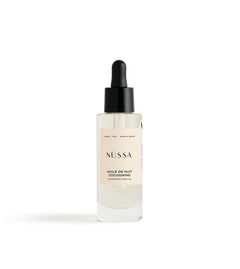
Nüssa face oils and face serums are formulated to easily integrate into a layering routine, from morning to night, including with night care products, to respect the skin's natural rhythm.
Can you use a serum and an oil together? Application order and layering routine
Yes, using a serum and a face oil in the same skincare routine is not only possible but often recommended for achieving visible and lasting results. The key is to follow the correct application order and adapt the textures to your skin type and skin concerns.
Serum then oil: the logical order for maximum effectiveness
In a layering routine, the principle is simple: always apply products from lightest to richest.
-
Cleansing on clean, dry skin
-
Face serum: thanks to its fluid texture and high concentration of active ingredients (hyaluronic acid, vitamin, salicylic acid, antioxidants), it penetrates quickly and acts deeply on hydration, radiance, imperfections, or signs of aging
-
Face oil: it then comes to seal in hydration, nourish the skin, strengthen the skin barrier, and protect against external aggressions
This guide explains in detail how to apply a serum to maximize the penetration and effectiveness of active ingredients.
Morning or evening: when to use serum and oil?
-
In the morning:
A hydrating or anti-blemish serum is often sufficient, followed by a moisturizer. Dry or sensitive skin can add a light oil to protect the skin throughout the day. -
In the evening:
This is the ideal time to combine serum + oil, as the skin enters a phase of cell regeneration. The oil acts as a nourishing and repairing treatment during sleep, especially with suitable night face care products.
Adapting the combination to your skin type
-
Oily or blemish-prone skin: targeted serum + non-comedogenic vegetable oil, applied in small quantities
-
Dry or dehydrated skin: hydrating serum + nourishing oil to limit dryness and smooth the skin
-
Sensitive skin: soothing serum + gentle oil to reduce redness and strengthen skin protection
-
Mature skin: anti-aging serum + oil rich in antioxidants to combat skin aging and plump the skin
To refine your choice, consult this selection of face oils and this guide on the best natural vegetable oil for the face according to your skin condition.
Mistakes to avoid
-
Applying oil before serum: it blocks the penetration of active ingredients
-
Using too much product: a few drops are enough
-
Choosing an oil that is too rich for oily skin
-
Multiplying powerful active ingredients without coherence in the routine

Serum or face oil: how to choose according to your age and skin concerns
Choosing between a serum or a face oil depends not only on skin type but also on age, skin condition, and specific needs at the moment. Wrinkles, dull complexion, imperfections, dryness, or sensitivity: each problem requires a targeted response.
Before 30: prevent, hydrate, balance
At this age, the skin is still rich in collagen but may present imperfections, excess sebum, or a lack of hydration.
-
To prioritize:
-
Hydrating serum with hyaluronic acid to maintain skin hydration
-
Anti-blemish serum (salicylic acid, zinc, purifying active ingredients) if the skin is oily or combination
-
-
Face oil: optional, but possible in the evening with a light vegetable oil to strengthen the skin barrier without weighing it down
Face serums are ideal at this age to act deeply without overloading the skin.
Between 30 and 45: correct the first signs of aging
This is often when fine lines, dull complexion, dehydration, or first spots appear.
-
To prioritize:
-
Anti-aging or radiance serum (vitamin C, antioxidants, hyaluronic acid)
-
Face oil as a complement to smooth, nourish, and boost radiance
-
-
Ideal routine: serum in the morning, serum + oil in the evening to support cell renewal
After 45: nourish, regenerate, protect
With skin aging, the skin loses elasticity, lipids, and regenerative capacity.
-
Absolutely to prioritize:
-
Concentrated anti-aging serum (retinol-like, peptides, hyaluronic acid)
-
Nourishing oil rich in fatty acids to restore the skin barrier
-
-
Objective: plump, smooth, soothe, and combat premature aging
Night face care products are particularly effective at this stage, as the skin is more receptive to active ingredients during sleep.
Serum or oil depending on the main concern
-
Dull complexion / fatigue → radiance serum + healthy glow booster oil
-
Sensitive skin / redness → soothing serum + protective oil
-
Adult acne / imperfections → targeted serum + non-comedogenic oil in small quantities
-
Very dry skin → hydrating serum + rich oil to seal in hydration
-
Mature skin → essential serum + oil combination for global action
In summary: do you really have to choose?
In most cases, the best results come from combining serum + oil, intelligently integrated into a coherent skincare routine. The serum treats, the oil protects and nourishes. Together, they offer smoother, brighter skin better armed against daily aggressions.