
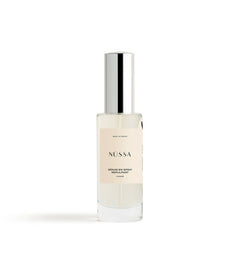


Mask or scrub first? The secret to a spa-like routine at home

Key takeaway: To achieve a professional result at home, the order of application is crucial: you should always exfoliate before applying a mask. This first step prepares the skin by removing the barrier of dead cells, allowing the active ingredients of your treatment to penetrate deeply.
You spend money on a high-end beauty product, you stick to your routine every week, and yet... your complexion remains dull? The question is not what you use, but in what order. To achieve a spa-worthy result at home, an effective skincare ritual relies on one golden rule: exfoliating and masking are not applied randomly. Imagine a barrier of dead cells and impurities obstructing every pore of your epidermis. Without prior exfoliation, your moisturizing mask or your favorite serum remains on the skin's surface, unable to allow its active ingredients to penetrate.
Applying a mask to unprepared skin is to deprive your face of real hydration. In this article, discover how to cleanse your skin, eliminate this invisible shield, and prepare your complexion to absorb the best part of your treatments. Whether you have oily, combination, or dry skin, learn to master this cleansing and exfoliating step for immediate texture improvement and lasting radiance.
Why exfoliation is the #1 step in your routine?
1. Eliminate the "shield" that dulls your complexion
Over the days, dead cells and impurities accumulate on the surface of the epidermis. Without regular exfoliation, this buildup forms a shield that prevents your cream or serum from penetrating. Facial exfoliation "sweeps away" this layer to reveal new skin and smooth the skin's texture.
2. Maximize active ingredient absorption
Why spend money on a quality product if half of the product remains on the surface? Exfoliating before the mask ensures better absorption. Once the pores are clear and the skin texture is refined, the epidermis acts like a sponge: it is ready to absorb all the intense hydration and nutrients from your subsequent treatment.

The 4 steps for an optimal skincare routine
1. Cleanse and remove makeup
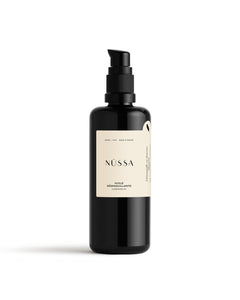
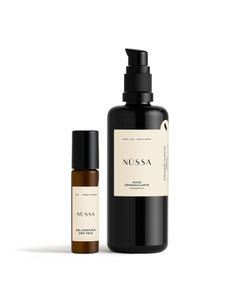
Before using an exfoliant, it is essential to cleanse your skin with a gentle cleanser or a fresh gel. This removes surface oil and makeup so that the exfoliant works directly on the skin.
2. Gentle exfoliation
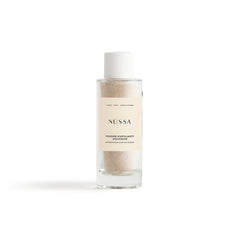
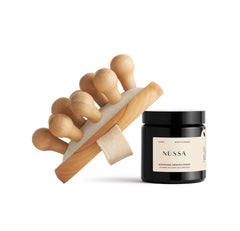
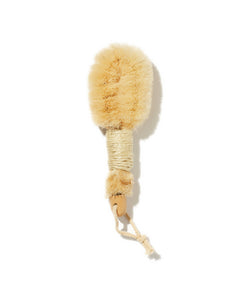
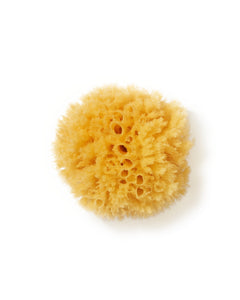
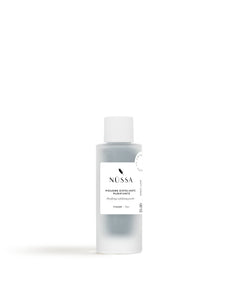
Apply your scrub and exfoliant to damp skin. Use the coffee grounds scrub for a toning action or a powder for a gentle scrub. Massage in circular motions to stimulate blood circulation and cell renewal.
3. Apply the treatment mask
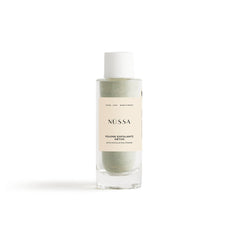
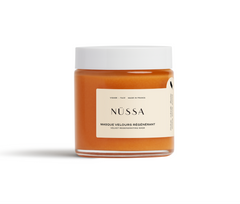
This is the moment for the second step. On your clean and refined skin, go ahead and apply a mask suitable for your skin type (oily, dry, or mature). The facial mask will then infuse its benefits without any obstruction.
4. Hydrate and protect
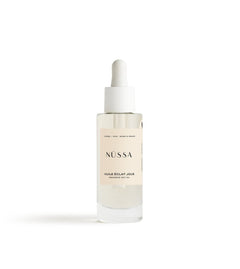
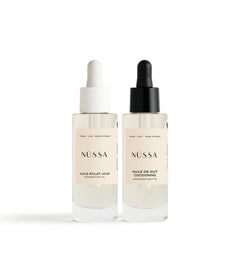
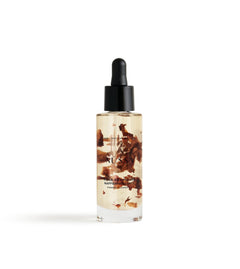
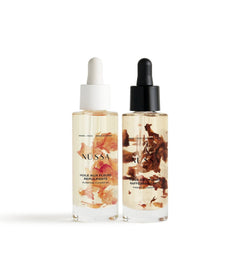
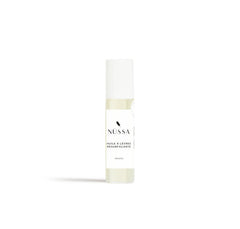
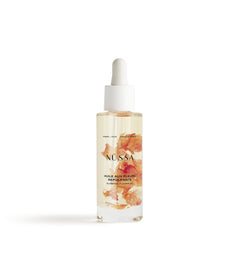
Always finish with a facial oil or cream to restore the hydrolipidic film. If it's daytime, don't forget your sun protection to avoid spots and signs of aging.
Chrono-Beauty: The order according to the biological clock
Did you know that the effectiveness of your scrub and mask changes depending on the time of day?
-
Evening (Regeneration peak): This is the ideal time. At night, the skin repairs itself. By doing your ritual before bed, you help eliminate toxins.
-
Weekend (Spa time): Take advantage of some downtime to strictly adhere to the facial mask application time. Relaxation reduces cortisol, which boosts skin radiance.
-
Seasonal tip: In winter, your skin needs more comfort. Reduce the frequency of the face mask to once a week but choose an ultra-rich balm.

3 tips for professional application
-
Use warmth: Dampen your face with lukewarm water or use a warm towel before scrubbing. This relaxes the tissues and facilitates the elimination of sebum and blackheads.
-
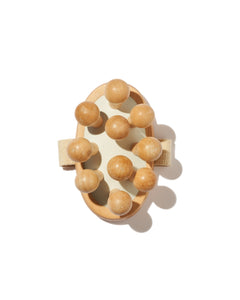
Lymphatic massage: During application, use your fingertips for a light massage from the center outwards. This helps to drain the tissues and provides an immediate lifting effect.
-
Multi-masking: If you have combination skin, apply a mattifying mask to the T-zone and a hydrating treatment to the cheeks.