


Vegetable Oils and Acne: How to Choose the Right Treatment for Your Breakouts?

Why is oil the unexpected ally for blemish-prone skin?
It's completely natural to hesitate applying oil to acne-prone skin. Yet, modern cosmetics show that the right fatty product is often the best solution for long-term acne treatment. The principle is simple: like dissolves like. A high-quality vegetable oil attracts and dislodges excess sebum and impurities that accumulate in the pores, much more effectively than a harsh cleanser.
When an overly aggressive product is used, the epidermis feels attacked and reacts by producing even more sebum to restore its protective film. This is the vicious cycle of acne. Conversely, choosing a natural face oil as part of your routine sends a soothing signal to your skin. If you're wondering which face oil is most appropriate, know that an adapted formula helps to rebalance skin health without ever suffocating the skin.
Top vegetable oils for acne and blemishes
Not all oils are equal when it comes to fighting acne. The secret lies in the comedogenic index: you should prioritize oils that are unlikely to clog pores.
Jojoba Oil: The ultimate regulator
Jojoba vegetable oil is fascinating because its composition is very similar to human sebum. By applying it, you "trick" your skin into stopping its chaotic production. It's the key ingredient for regulating sebum in oily and combination skin.
Nigella Oil: The natural antibacterial
Nigella vegetable oil has a powerful antibacterial and purifying action. It contains active ingredients that help limit the appearance of new pimples and reduce existing inflammation. It is particularly recommended for skin that needs gentle epidermal purification.
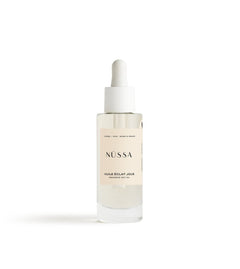
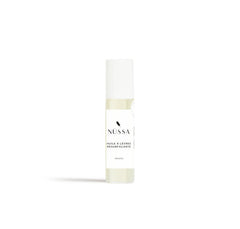
Nüssa's favorite: Marula Cocooning Night Oil
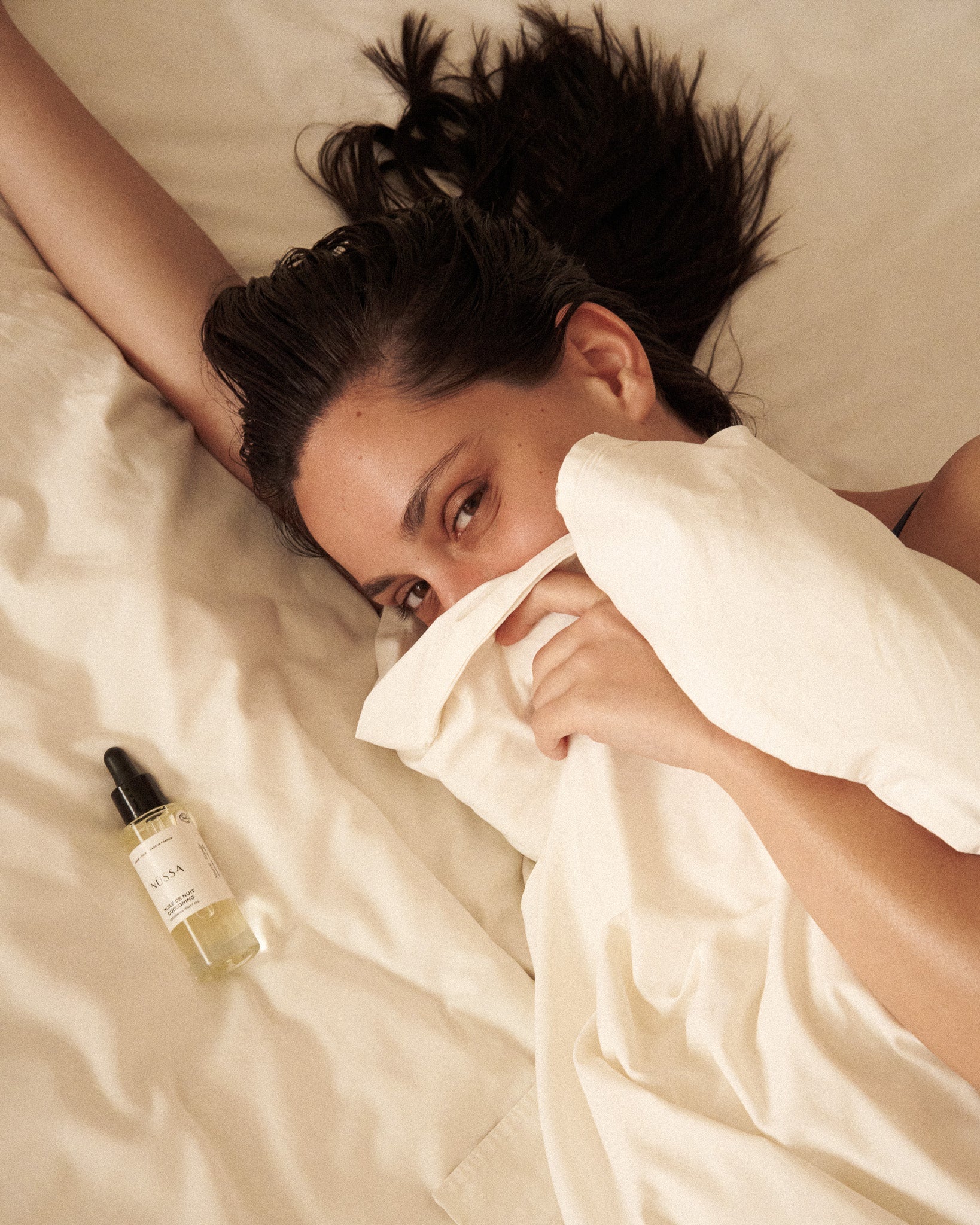
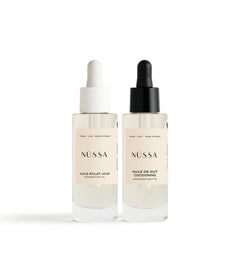
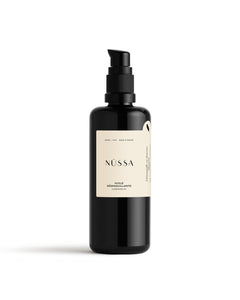
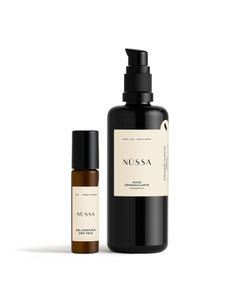
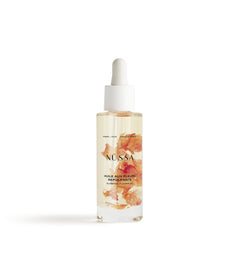
In the quest for the best natural face oil, Nüssa's marula oil is a gem for acne-prone skin. Often, acne is associated with skin dehydrated by harsh treatments. Our Cocooning Night Oil is rich in vitamins and fatty acids. It penetrates instantly to soothe redness and promote healing without leaving a greasy film. It is the ideal treatment for waking up with healthy skin.

Acne and emotions: The Neuro-cosmetic approach
To treat acne naturally, you shouldn't just look at the pimple, but also what's happening in your mind. This is what we call neuro-cosmetics.
Stress, the invisible hormonal factor
Stress triggers the release of cortisol, a hormone that boosts sebum production and promotes inflammation. Hormonal acne is often exacerbated by our nervous state. The less well we feel, the more likely acne is to settle in.
Olfactotherapy: Calming the mind to heal the skin
Using an essential oil like true lavender or rose geranium in your treatment isn't just about the smell. These scents act on your nervous system to reduce stress. By taking a drop of oil, warming it in your hands, and taking a deep breath, you help your body regulate itself from within.
A gentle approach
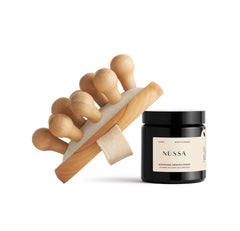
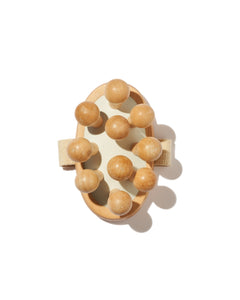
Instead of attacking your blemishes, learn to massage your face with gentleness. A draining massage helps reduce congestion and promotes the return to more balanced skin. This is a step in your routine that changes everything: you're no longer treating a "disease", you're taking care of yourself. To go further, discover our tips for treating acne naturally through a holistic lifestyle.
Instructions: How to use oil on acne-prone skin?
The effectiveness of a natural treatment relies on proper application. Here's how to integrate oil into your anti-acne routine without making mistakes.
Double cleansing: The essential evening step
To purify your skin without aggressing it, start your evening routine with oil cleansing. This method removes excess sebum, makeup, and sunscreen. Apply the oil to dry skin, massage, then rinse with a gentle cleanser. This is the secret to clean skin and preserved skin health.
The right dosage: Less is more
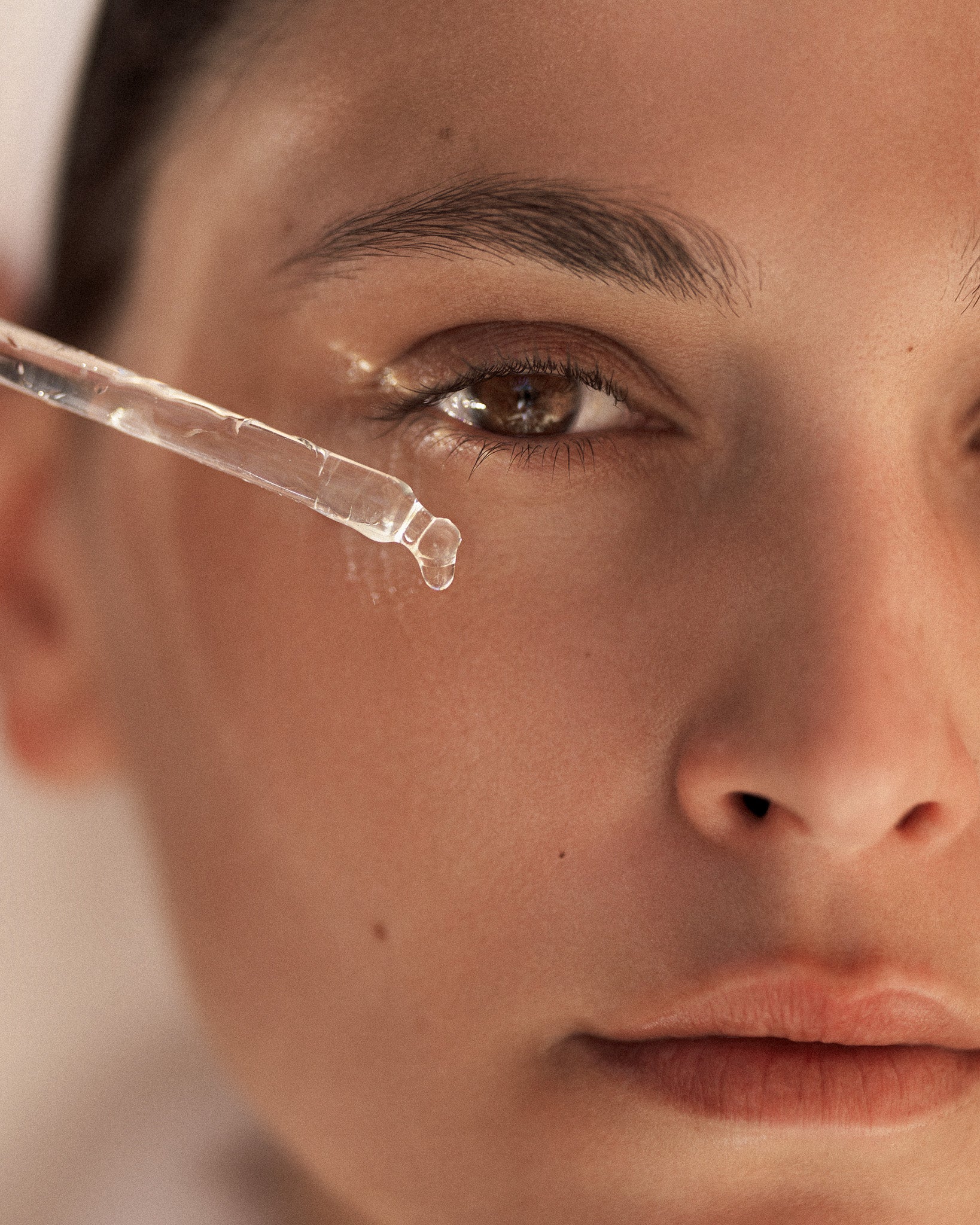
No need to apply a large amount of product. One to two drops warmed in the palm of your hands are enough for the entire face. Apply them to still slightly damp skin (after your toner or serum): this facilitates absorption and avoids any excessive shine effect.
Synergy with essential oils
To boost the antibacterial action, you can mix one drop of essential oil of Tea Tree or true lavender into your carrier oil (such as hazelnut or jojoba). These active ingredients have recognized anti-inflammatory properties to quickly reduce the appearance of an inflammatory pimple.