




Face mask: how often should you use one?

Using a face mask is not a trivial act; it's a true skin care ritual that helps maintain healthy, glowing skin. Depending on skin type and current needs, it can hydrate, purify, smooth, or detoxify. But a common question arises: how many face masks per week should one use for optimal effect without overloading the skin?
Each mask works differently depending on its formula and the function of the skin type: purifying masks with green clay help regulate sebum production, while hydrating masks deeply nourish the skin and restore the hydrolipidic film. The key is to adjust the frequency and application time to your needs.
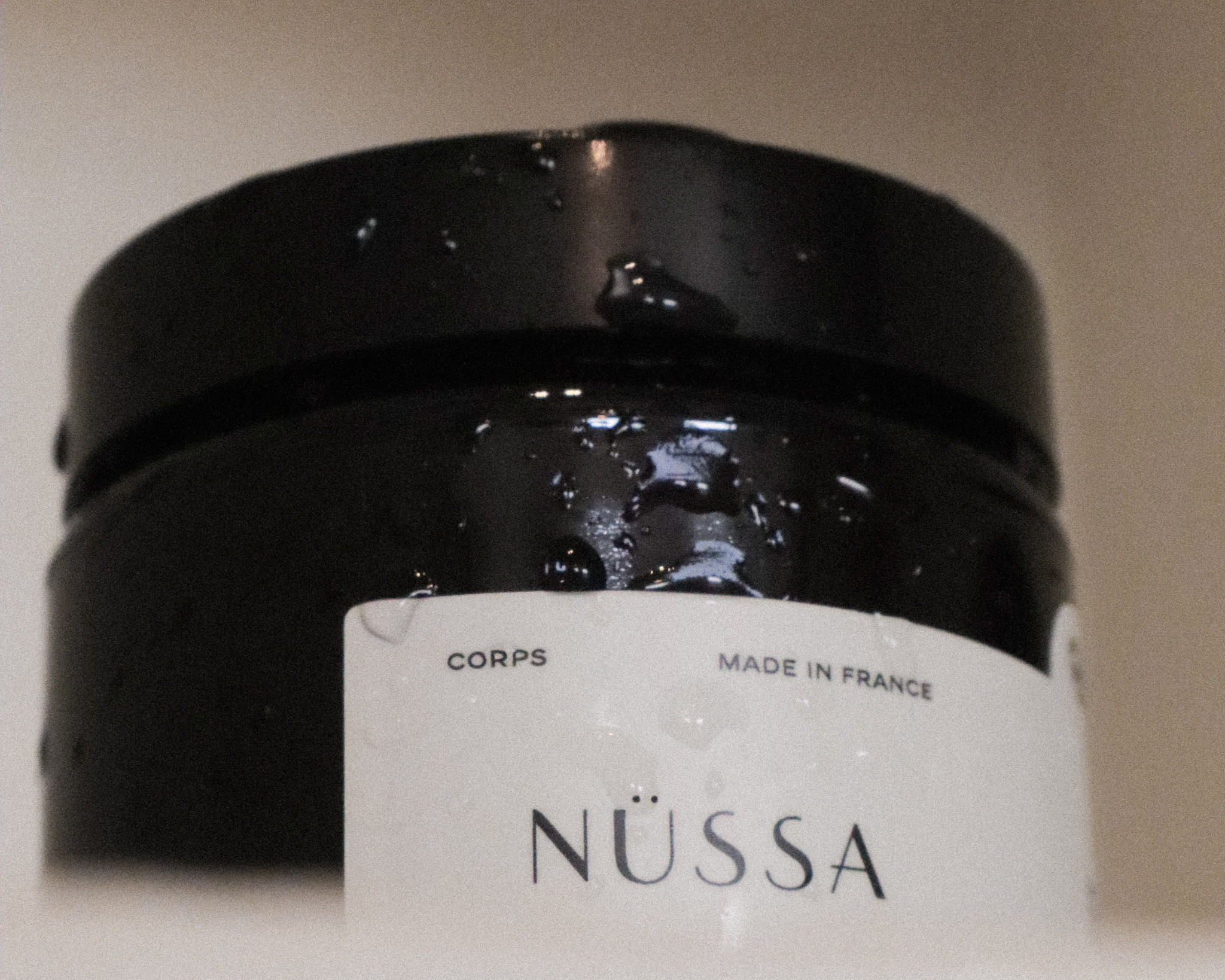
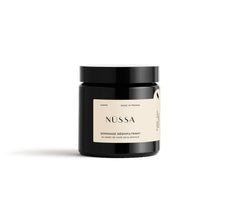
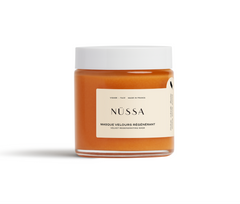
In this article, we explain what frequency to adopt, how to apply a face mask correctly, and which products to choose for a natural and effective beauty routine, like the Nüssa natural face mask, designed to intensely hydrate and revive dull complexions without irritating the epidermis.
How often should you apply a face mask?
Once or twice a week: the golden rule
In cosmetics, the recommended frequency for a face mask is between once and twice a week. This is the ideal rhythm to maintain healthy and glowing skin, without disturbing the natural balance of the epidermis.
A face mask acts as a complementary treatment: it provides an immediate radiance boost, but it should remain a support in the beauty routine, not a daily step.
Using a mask every day can, on the contrary, weaken the skin barrier and cause tightness or an overproduction of sebum, especially for combination to oily skin. The skin needs time to regenerate naturally between treatments.
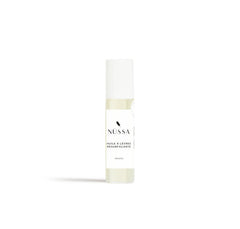
The ideal is therefore to integrate the face mask into your weekly routine: a relaxing moment, usually in the evening, after cleansing and before applying a hydrating serum or a nourishing oil. Hydrating masks like the Nüssa Regenerating Balm Mask can be used twice a week without risk, thanks to their natural and soothing formula.
Weekly Schedule: When to Apply a Mask According to Your Skin Type
| Day of the week | Dry / Dehydrated Skin | Combination Skin | Oily Skin | Sensitive Skin | Dull / Tired Skin |
|---|---|---|---|---|---|
| Monday | – | – | – | – | – |
| Tuesday | – | – | – | – | – |
| Wednesday | Rich hydrating mask | Gentle purifying mask (T-zone only) | Green clay purifying mask | – | Radiance / detox mask (dull complexion, pollution) |
| Thursday | – | – | – | – | – |
| Friday | – | – | – | – | – |
| Saturday | – | – | – | – | – |
| Sunday | Cocooning nourishing mask (deep skin nourishment) | Hydrating mask to rebalance the skin | Detox mask (charcoal or clay) to unclog pores | Soothing / hydrating mask | Plumping hydrating mask (hyaluronic acid) |
Usage tips:
-
Always alternate purifying and hydrating masks to avoid skin dehydration.
-
For sensitive skin, one mask per week is sufficient.
-
For oily skin, avoid exceeding two weekly applications to prevent stimulating sebum production.
-
In winter, favor hydrating masks rich in natural oils and hyaluronic acid.
-
After each mask, apply a serum or hydrating oil to seal in the active ingredients.

Adjust the frequency according to your skin type
The application frequency depends closely on skin type and external factors (cold, sun, pollution, stress).
-
Oily and combination skin: 2 purifying masks per week are enough to regulate sebum production and unclog pores. Opt for a green clay or activated charcoal mask for a detoxifying effect.
-
Dry or dehydrated skin: 1 nourishing mask per week is sufficient to deeply hydrate the skin and restore the hydrolipidic film. Hydrating masks like those from the Nüssa hydrating care range are perfect for this need.
-
Sensitive skin: Only 1 mask per week, with a soothing formula rich in natural oils and vitamins, to avoid skin reactions.
-
Dull and tired skin: alternate between a gentle exfoliating mask and a radiance mask to boost microcirculation and revive the complexion.
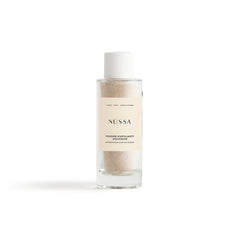
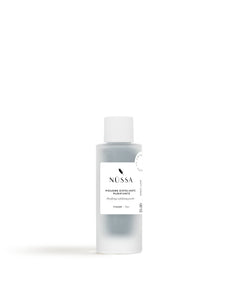
For a complete facial treatment, it is recommended to perform a gentle exfoliation before each mask, to promote the penetration of active ingredients. Discover the benefits of Nüssa scrub and exfoliant for smoother and brighter skin.
Ideal times to apply a mask
The application time influences the effectiveness of the mask:
-
Evening: This is the best time for a hydrating or nourishing mask, as the skin is in a cellular regeneration phase during the night.
-
Morning: A radiance or detox mask can awaken the complexion and provide a "fresh skin" effect before the day begins.
-
After exfoliating: The mask works best on clean, exfoliated skin, free of dead cells.
-
After sun exposure: Opt for a soothing or hydrating mask to calm the skin and restore lost moisture.
In winter, skin is often more dry and reactive; slightly increase the frequency of hydrating masks to compensate for the effects of cold. In summer, prioritize purifying masks to regulate sebum.
You can also alternate textures throughout the seasons: cream masks, sheet masks, clay masks or night masks depending on the skin type's function and the desired result.
Understanding the role of the mask in a skincare routine
Why incorporate a mask into your beauty routine?
A face mask is a concentrated treatment that acts deeply on the epidermis, beyond what a hydrating oil or serum can offer daily. It helps address specific skin needs: excess sebum, dull complexion, dehydration, imperfections, or loss of elasticity.
By applying a mask suited to your skin type, you offer your face intense hydration, a detoxifying action, or an immediate soothing effect. Purifying masks, for example, are perfect for oily or combination skin, often prone to excessive sebum production and clogged pores.
For dry or dehydrated skin, hydrating masks repair the skin barrier and restore suppleness and comfort. They integrate ideally into a complete facial care routine, to be combined with a gentle scrub like those offered in the scrub and exfoliant range.
The benefits according to the type of mask
Each type of mask has a specific function according to skin needs:
-
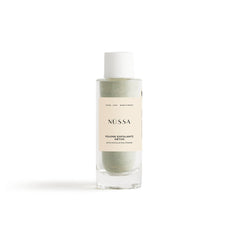
Purifying mask: Made with green clay or charcoal, it helps unclog pores, regulate sebum, and prevent imperfections. Ideal for oily skin or shiny skin.
-
Hydrating mask: Enriched with hyaluronic acid or vegetable oils, it restores the hydrolipidic film and soothes dry and sensitive skin.
-
Detox mask: Often formulated with natural extracts rich in antioxidants, such as ginger, it helps eliminate pollution and revive the complexion (see the benefits of ginger for the skin).
-
Anti-aging mask: Enriched with plumping active ingredients, it promotes cellular regeneration and helps firm the skin of the face.
Depending on your skin type, these treatments integrate into a natural and targeted beauty routine, complementing a serum or hydrating oil.
| Type of mask | Main benefit | Affected skin type | Recommended frequency |
|---|---|---|---|
| Hydrating mask | Restores the hydrolipidic film, provides suppleness and comfort | Dry, dehydrated, sensitive skin | 1 to 2 times per week |
| Green clay purifying mask | Regulates sebum production, unclogs pores, helps to prevent imperfections | Oily or combination skin | 1 to 2 times per week |
| Charcoal or ginger detox mask | Eliminates toxins and pollution, revives dull complexions | Dull, tired skin, exposed to pollution | Once a week |
| Nourishing mask | Provides essential lipids, deeply nourishes the skin | Dry to very dry skin | Once a week |
| Anti-aging / firming mask | Stimulates cell regeneration, restores firmness and radiance | Mature skin, prone to loss of elasticity | Once a week |
| Soothing mask | Calms irritations and redness, strengthens the skin barrier | Sensitive, reactive skin or after-sun exposure | 1 to 2 times per month as needed |
| Radiance / vitamin mask | Awakens the complexion, refines the skin texture, restores a radiant appearance | All skin types, especially dull skin | 1 to 2 times per week |
| Hydrating sheet mask | Offers instant hydration and a radiance boost | All skin types, ideal before an event | 1 to 2 times per week |
| Regenerating night mask | Works during sleep for smooth and plumped skin upon waking | All skin types, in addition to a hydrating routine | 1 to 3 times per week depending on tolerance |
Common mistakes to avoid
Even the best beauty masks can lose effectiveness if used incorrectly. Some common mistakes to avoid include:
-
Applying a mask too often (more than 3 times a week) can unbalance the skin and alter the hydrolipidic film.
-
Neglecting prior cleansing: a mask on dirty skin traps impurities in the pores.
-
Forgetting the recommended application time: a purifying clay mask should never dry completely, as this can dry out the skin.
-
Using the wrong type of mask: a purifying mask on dry skin, for example, can worsen dehydration.
Finally, never apply a mask too close to the eye contour area or on irritated areas. For optimal effect, always follow the product instructions and the indicated application time (generally 10 to 15 minutes).

Integrating masks into a complete routine
A face mask works best when it is integrated into a consistent skincare routine, designed to maintain healthy and radiant skin. Before each application, the skin must be clean, free of impurities, and ready to receive the active ingredients. This preparation step is essential to ensure better absorption and deep hydration.
1. Gently cleanse the skin
Always start with a gentle cleanse, using a mild milk or gel that respects the skin barrier and the hydrolipidic film. This step removes pollution particles, sebum, and makeup traces. Clean skin allows the mask to work deeply without creating pore obstruction.
Nüssa Tip: In the evening, combine your gentle cleanser with a light circular massage to stimulate microcirculation and awaken the complexion.
2. Exfoliate to prepare the epidermis
Once or twice a week, perform a gentle exfoliation to remove dead cells and promote cell renewal. Exfoliation makes the skin more receptive to subsequently applied treatments. You can discover our selection of Nüssa natural scrubs and exfoliants, formulated to smooth the skin texture without irritating it.
3. Apply the appropriate mask
After cleansing and exfoliating, apply your natural face mask to slightly damp skin. Spread it in an even layer, avoiding the eye contour area. Leave it on for the indicated time (generally 10 to 15 minutes depending on the skin type and mask type). The Nüssa hydrating regenerating balm mask, rich in vegetable oils, acts as a true bath of hydration and nutrition to restore supple and radiant skin.
4. Finish with a targeted treatment
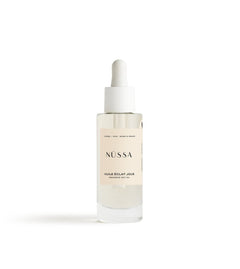
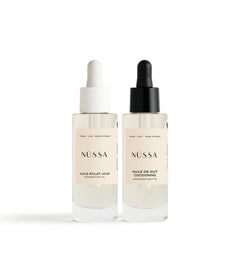
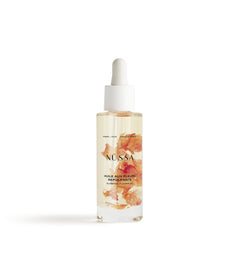
Once the mask is removed, apply a hydrating serum or a vegetable oil to seal in the active ingredients and prolong the feeling of comfort. These treatments help to strengthen the skin barrier, prevent dryness, and maintain the skin's natural balance. Nüssa offers face care duos combining oil and serum, perfect for completing this beauty ritual.
Create your weekly Nüssa ritual around the face mask
Caring for your skin means above all listening to its needs and offering it simple, regular, and sensorial gestures. At Nüssa, each face mask is part of a complete ritual, designed to reveal the skin's natural balance while respecting its biological rhythm.
1. The right moment for yourself
Dedicate a specific moment of the week to this ritual, Wednesday evening to soothe daily stress or Sunday morning to prepare the skin for a new week. This moment becomes a soothing beauty ritual, a break dedicated to your well-being and skin regeneration.
2. The perfect duo: mask + natural oil
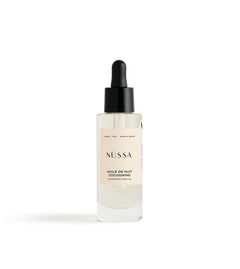
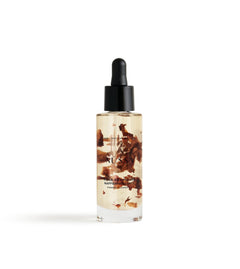
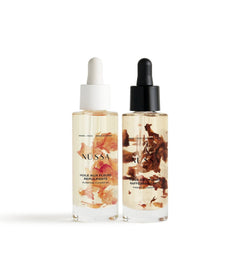
After the Nüssa natural face mask, apply a few drops of a vegetable oil such as marula or rosehip, to deeply nourish the skin and strengthen the hydrolipidic barrier. This simple gesture promotes cell regeneration and leaves the skin soft, smooth, and radiant.
3. The secret to sustainably healthy skin
A mask is not an isolated treatment: it is part of a complete skincare routine: gentle cleansing, exfoliation, mask, serum, and daily hydration. These gestures, combined with a balanced diet and good internal hydration, ensure healthy, radiant, and balanced skin throughout the year.
The Nüssa ritual is not just a beauty routine: it's a sensory and responsible experience, which respects the skin as well as nature.
Give your skin the time, softness, and pure active ingredients it deserves, and it will repay you with its natural radiance and sublimated texture day after day.