





Post-sun hyperpigmentation: how to prevent and reduce it naturally

Hyperpigmentation is a common skin reaction after prolonged sun exposure. It results in the appearance of brown spots due to an overproduction of melanin, the pigment that colors the skin. Unlike a simple, even tan, these pigment spots persist over time and dull the complexion. According to the American Academy of Dermatology , this phenomenon can affect all skin types, but some skin types, particularly sensitive or already weakened by age, acne, or skin inflammation, are more prone to it.
The different types of pigment spots
-
Sun spots (solar lentigines): caused by UV rays , they most often appear on the face, décolletage and hands.
-
Melasma or pregnancy mask : accentuated by sun exposure and hormonal variations, it manifests as large brown spots.
-
Post-inflammatory hyperpigmentation (PIH) : occurs after an injury or inflammation (acne, sunburn, scar).
To learn more, check out our comprehensive guide on pigment spots and their causes.
Why do they appear after the sun?
During sun exposure , UVA and UVB rays stimulate melanin production to protect the skin. However, excessive production leads to an imbalance: pigments accumulate and form darker patches. Add to this the oxidative stress caused by free radicals, and the skin barrier gradually loses its uniformity. The result: the skin develops visible irregularities that prematurely age its appearance.
The main causes of post-sun hyperpigmentation
External factors: UV rays and environment
The sun is the primary cause of age spots. Repeated exposure without adequate sun protection promotes their appearance. But other factors worsen the problem: pollution, smoking, and certain photosensitizing cosmetic products . These aggressions weaken the skin and intensify pigment formation.
Internal factors: hormones, age and genetics
Some women develop dark spots during pregnancy (melasma), while others develop them with age, when collagen production and cell renewal slow down. Hormonal imbalances and genetics also play a significant role. It's worth noting that mature skin is particularly prone to this problem because its ability to regenerate is weaker.
Link between inflammation and pigmentation
A simple sunburn , a skin lesion, or an acne breakout can trigger post-inflammatory hyperpigmentation. The skin, in its defense mechanism, produces too much pigment in the affected area. This is why some marks persist after a scar or irritation.
Preventing the appearance of spots after summer
Sun protection, the number one action
Using a broad-spectrum sunscreen (UVA + UVB) is essential to protect your skin. A high SPF (30 minimum) limits sunspots and premature skin aging. Don't forget sensitive areas like your neck, chest, and hands. A hat, sunglasses, and protective clothing complete this preventative measure.
Adapting your daily skincare routine
Adopting a skincare routine rich in antioxidants (vitamin C, vitamin E, plant extracts) helps to neutralize free radicals and prevent the appearance of new spots.
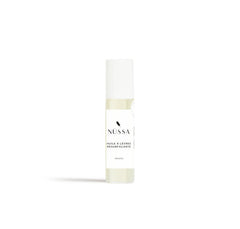
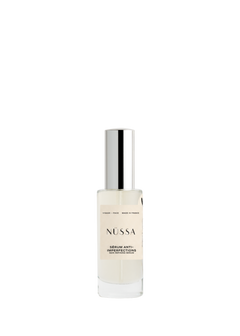
To effectively target hyperpigmentation, the This unifying spray serum is an essential ally. Its unique formula contains a patented active ingredient derived from ginger root, scientifically recognized for its anti-dark spot action and its effectiveness in evening out skin tone.
Thanks to its light texture based on vegetable oils, it promotes cell regeneration without weighing down the skin, offering a brighter and more even complexion day after day.
A protective diet
Foods rich in beta-carotene, vitamin C, and omega-3 fatty acids strengthen the skin's resistance to UV rays. Berries, citrus fruits, carrots, and oily fish are excellent allies. Hydration also plays a major role: drinking enough water promotes optimal cell renewal and limits the overproduction of melanin.

Naturally reduce existing stains
The right actions to adopt
Once dark spots have appeared, the goal is to gradually reduce their appearance. The first step is to prevent them from worsening by limiting sun exposure and consistently applying appropriate sun protection. Next, it's essential to use targeted skincare products rich in brightening and regenerating active ingredients that stimulate cell renewal .
Natural ingredients that help
Some gentle solutions are known for their effectiveness:
-
Lemon juice , used with caution, has brightening properties thanks to its citric acid (see our article: benefits of lemon for the skin ).
-
Aloe vera soothes and promotes skin regeneration.
-
Vegetable oils (rosehip, carrot, nigella) nourish, protect and help to even out skin tone.
Mistakes to avoid
Certain practices can worsen the situation: overly aggressive scrubs, unsuitable chemicals , or prolonged exposure without protection. The key is to prioritize gentleness and consistency in your skincare routine.
The most effective active ingredients and agents against hyperpigmentation
Essentials for an even complexion
Among the most studied assets are:
-
Vitamin C : a powerful antioxidant that stimulates collagen production and lightens dark spots.
-
Niacinamide : effective in reducing post-inflammatory hyperpigmentation and limiting excessive melanin production.
-
Azelaic acid and kojic acid : known for their natural skin-lightening properties.
The importance of asset synergy
A single active ingredient is not always enough: it is the synergy between antioxidants, plant oils, and regenerating agents that allows for a radiant and even complexion . For example, a natural serum combining several plant extracts and vitamins works deep within the skin.
Skincare tailored to each skin type
Depending on whether your skin type is dry, oily, sensitive, or mature, the formulations should be personalized. A natural facial oil , for example, is perfect for skin seeking nourishment and comfort, while also providing a unifying effect.
The role of vegetable oils in prevention and mitigation
Why are oils essential?
Organic plant oils are true allies in the fight against skin aging and hyperpigmentation. Rich in essential fatty acids and antioxidants, they nourish the skin, strengthen the skin barrier , and help reduce sunspots .
The best oils for treating dark spots
-
Rosehip oil : known for its ability to promote cell regeneration and reduce scars and blemishes.
-
Carrot oil : gives a healthy glow and a luminous complexion.
-
Black seed oil : renowned for its anti-inflammatory and restorative properties.
To learn more, see our complete guide on vegetable oils .
A closer look at Nüssa solutions
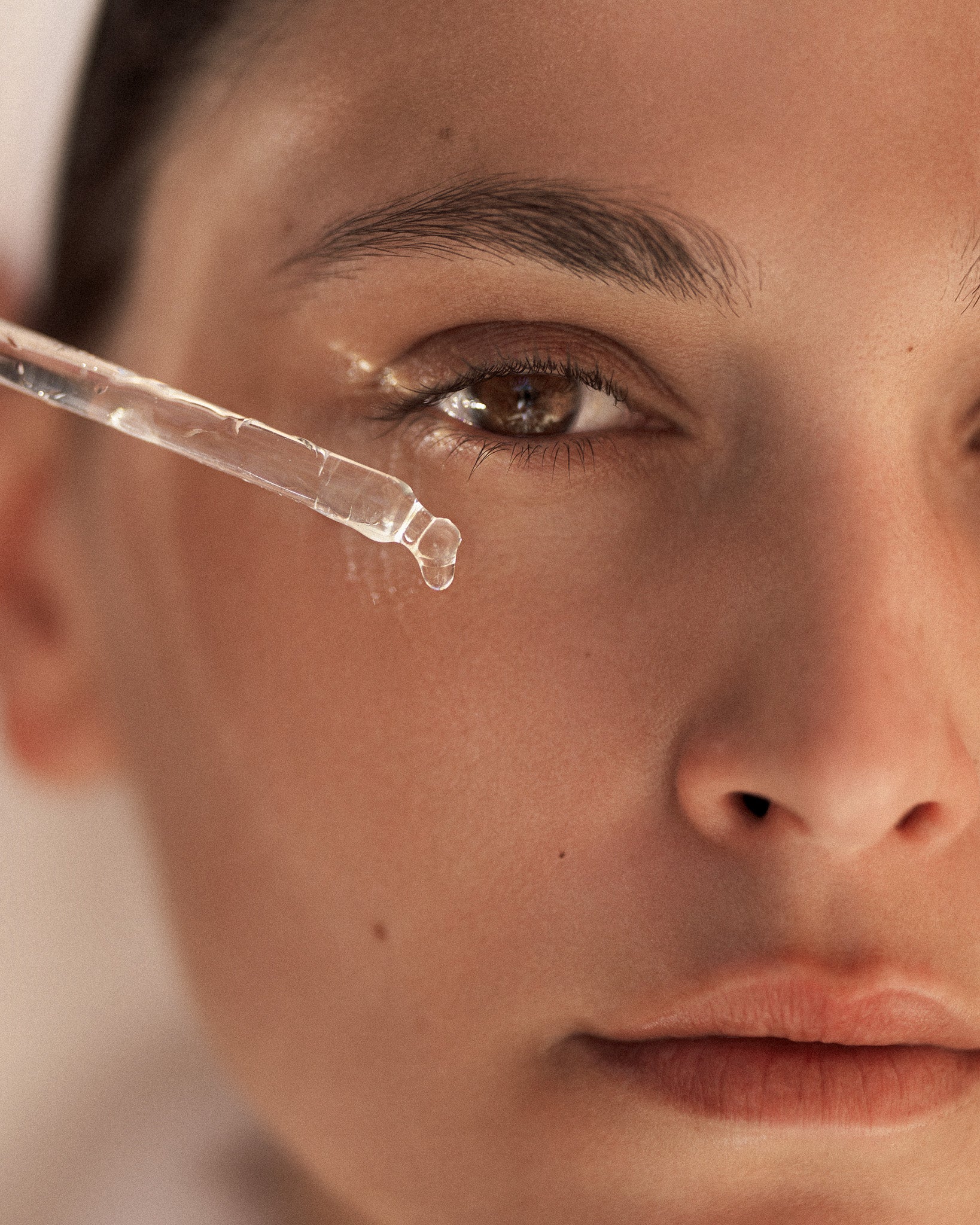
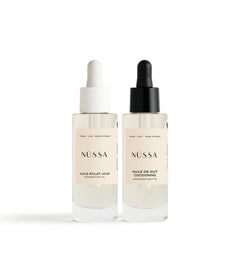
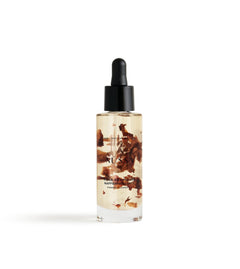
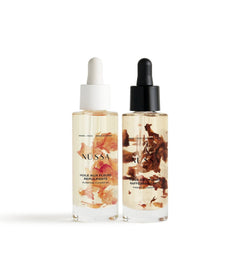
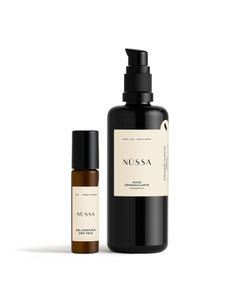
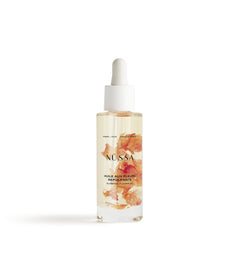
At Nüssa, we have developed a natural and vegan facial oil formulated to meet the needs of skin with pigmentation spots. Thanks to a high concentration of plant-based active ingredients, it helps prevent the appearance of spots while revealing a radiant and even complexion .

When natural solutions are no longer sufficient
Dermatological treatments
In some cases of severe hyperpigmentation , home treatments are not enough. Dermatologists may suggest:
-
Gentle peeling (based on glycolic or lactic acid) for deep exfoliation.
-
Pigment laser , effective on age spots or sun spots.
-
Intense pulsed light , which targets dark pigments.
Precautions to take
These techniques should always be performed under medical supervision. They do not replace a preventative care routine , but provide a targeted solution for the most severe cases.
Nüssa anti-hyperpigmentation routine: natural effectiveness
Morning: protect and unify
-
Gentle cleaning
-
Application of unifying spray serum , formulated with a patented active ingredient derived from ginger root.
-
Broad spectrum sun protection
Evening: Nourish and regenerate
-
Gentle cleansing and makeup removal
-
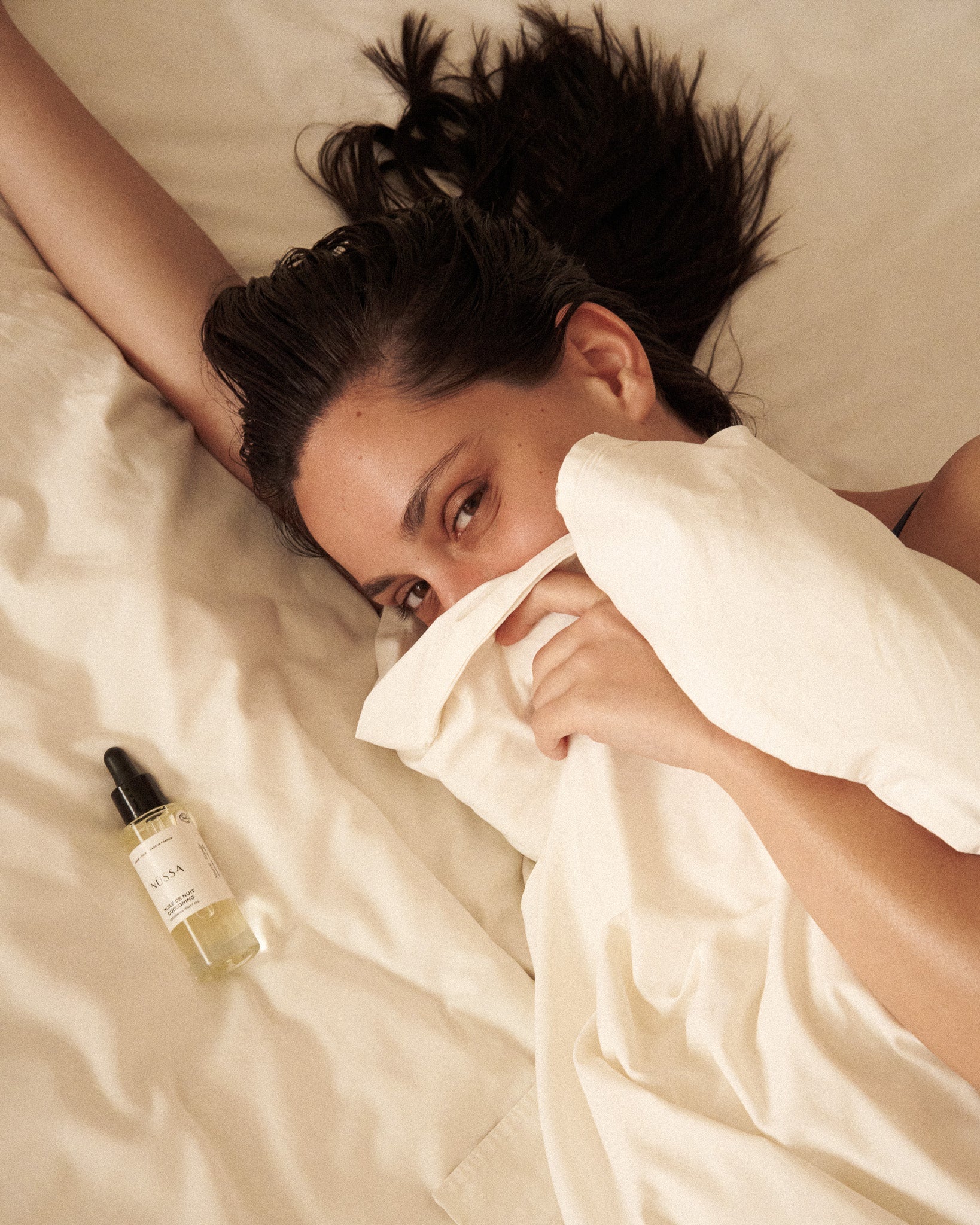
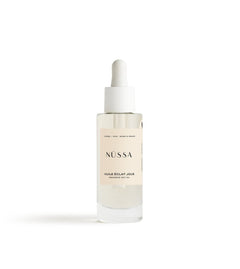
Applying a natural and vegan facial oil, such as precious Marula oil, which is particularly suitable for pigmentation spots.
-
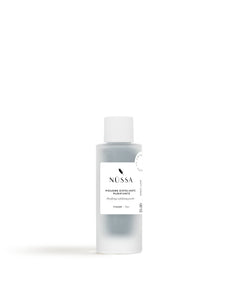
Targeted complementary treatment to stimulate cell regeneration and optimize the unifying action of the serum
Supplements for a radiant complexion
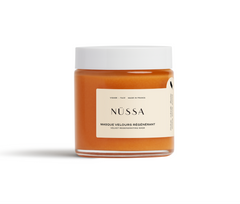
The radiant complexion routine The product offered by Nüssa incorporates oils and plant-based active ingredients chosen to visibly reduce dark spots and restore an even complexion .
FAQ – Post-sun hyperpigmentation
What natural remedies can help reduce blemishes?
Several natural remedies can help fade dark spots. Aloe vera gel soothes the skin and promotes cell regeneration. Lemon juice , rich in citric acid, is a natural brightener but should be used with caution (never before sun exposure). Certain essential oils (such as geranium or carrot) and antioxidant plant extracts complement this approach. Finally, active ingredients like azelaic acid or vitamin C are included in the formulation of effective anti-dark spot treatments .
How to treat existing hyperpigmentation?
When dark spots are visible, it's essential to adopt a suitable skincare routine . Moisturizing creams enriched with kojic acid or brightening agents help to gradually reduce pigmented areas. Targeted treatments and natural brightening products , applied regularly, help achieve a more even complexion and partially erase existing hyperpigmentation.
What ingredients can reduce brown spots?
The most studied brightening ingredients include niacinamide (which regulates melanin production), hyaluronic acid (which improves hydration and promotes regeneration), vitamin C (an antioxidant and skin-brightening agent), and azelaic acid (with anti-inflammatory and depigmenting properties). Gentle exfoliation or a light peel using fruit acids can also stimulate cell renewal and reduce the intensity of dark spots.
How to prevent sunspots?
Prevention remains the best strategy. Prolonged sun exposure should be limited , especially between 10 a.m. and 4 p.m., and protective clothing , a hat , and sunglasses should be worn. Daily application of broad-spectrum sunscreen is essential to block UV rays and prevent the appearance of age spots .
What are the effects of the sun on the skin?
The sun stimulates melanin production , which can lead to hyperpigmentation and the appearance of age spots . Repeated exposure also causes premature skin aging , exacerbated by oxidative stress and free radical damage. Sunburns cause skin inflammation , which increases the risk of pigmentation spots in the long term.
How to even out skin tone after sun exposure?
To achieve an even complexion , it's recommended to incorporate hydrating and regenerating products into your skincare routine . Vitamin C and kojic acid are powerful allies for lightening dark spots and stimulating cell regeneration . In cases of melasma (pregnancy mask ) or persistent hyperpigmentation, the regular use of targeted natural skincare products can help gradually brighten the complexion.

Written by Nüssa Cosmetics